
The Complete Month-by-Month Gardening Checklist for a Beautiful Yard All Year
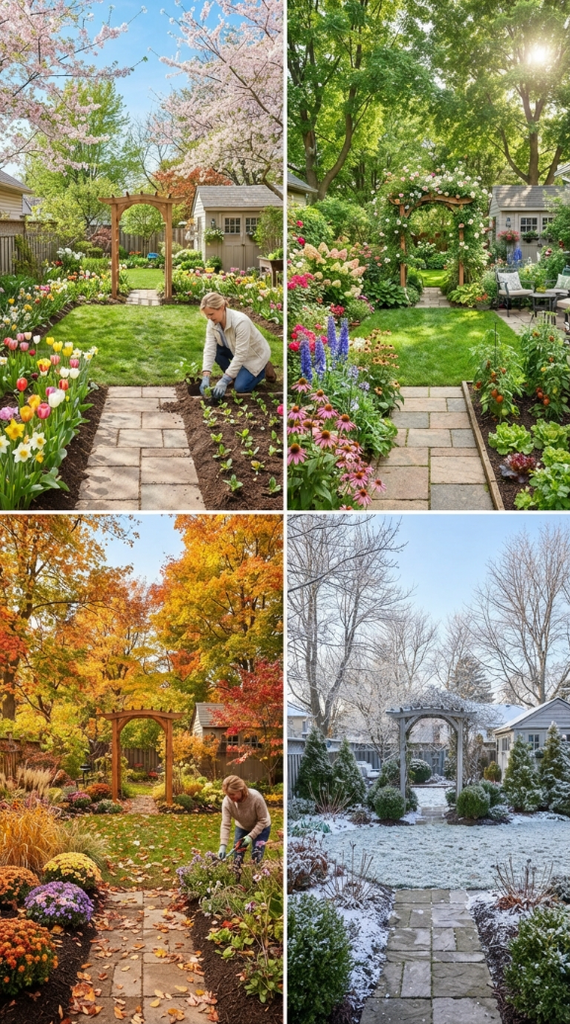
A beautiful yard is not created in one weekend.
It is built little by little throughout the year.
The secret is knowing what to do and when to do it.
Prune too early and you may remove flower buds. Fertilize at the wrong time and you can encourage weak growth. Forget fall cleanup and pests may overwinter in your garden beds. Miss spring planting windows and some vegetables or flowers may struggle before summer even begins.
That is why a month-by-month gardening checklist can make yard care so much easier.
Instead of trying to remember everything at once, you can focus on a few important tasks each month.
This guide covers lawn care, flowers, vegetables, shrubs, trees, containers, pruning, planting, watering, and seasonal maintenance from January through December.
Important: Exact timing depends on your climate, USDA hardiness zone, frost dates, rainfall, and local growing conditions. Use this guide as a seasonal framework and adjust by a few weeks when necessary.
January Gardening Checklist
January may look quiet in the garden, but it is one of the best months for planning.
Your plants may be resting, but your gardening season is already beginning.
Garden Tasks for January
- Review last year’s garden successes and failures
- Order seeds
- Plan vegetable beds
- Sketch new landscaping ideas
- Check stored bulbs, tubers, and seeds
- Inspect trees after storms
- Remove damaged branches if necessary
- Protect vulnerable plants from severe cold
- Clean and sharpen garden tools
- Check indoor plants for pests
- Water outdoor evergreens during dry winter periods if the ground is not frozen
Plan Your Vegetable Garden
Decide what you want to grow before buying seeds.
Consider:
- Tomatoes
- Peppers
- Lettuce
- Cucumbers
- Herbs
- Beans
- Squash
- Carrots
- Radishes
Think about how much space each plant requires.
It is very easy to buy 30 seed packets and discover that your garden realistically fits 12 plants.
Check Stored Bulbs
Inspect stored dahlias, cannas, gladiolus, or other tender bulbs.
Discard anything that is moldy or badly rotted.
January Tip: This is also a great month to photograph your yard from several angles. Those photos make it much easier to plan garden improvements before everything begins growing again.
February Gardening Checklist
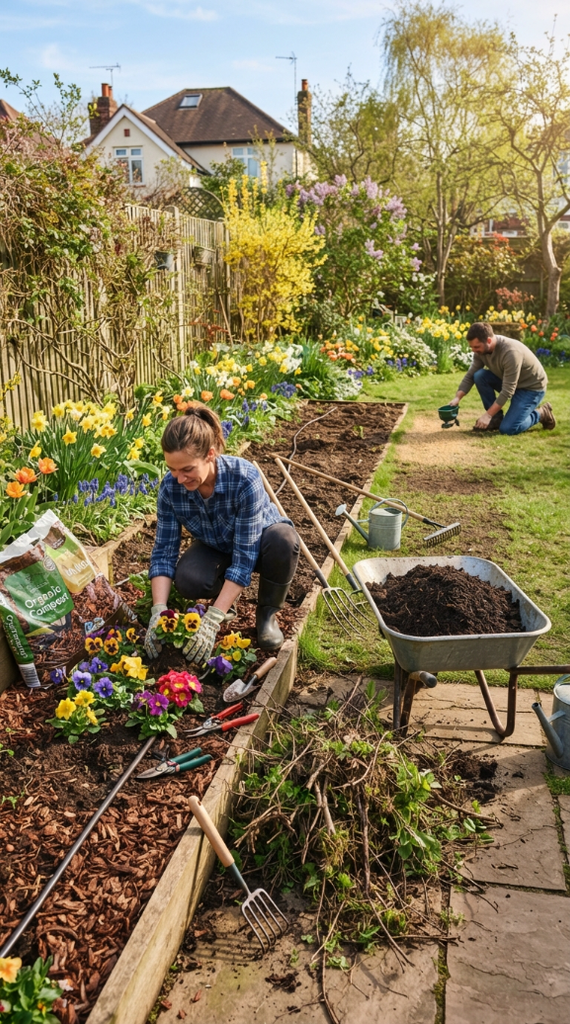
February is the transition between winter planning and spring preparation.
In warmer climates, spring may already be beginning.
In colder areas, February is still mostly preparation season.
Garden Tasks for February
- Start selected seeds indoors
- Prune dormant trees and shrubs where appropriate
- Cut back damaged branches
- Clean birdhouses
- Prepare seed-starting supplies
- Check garden structures
- Add compost to empty beds when weather allows
- Inspect fences and trellises
- Remove winter debris
- Monitor early spring bulbs
Start Seeds Indoors
Depending on your frost date, February may be a good time to start:
- Peppers
- Eggplant
- Onions
- Leeks
- Celery
- Some herbs
- Slow-growing flowers
Tomatoes are usually started later unless your growing season begins early.
Prune Carefully
Late winter is often a good time to prune many dormant trees.
Remove:
- Dead branches
- Crossing branches
- Damaged limbs
- Diseased wood
However, avoid aggressively pruning spring-flowering shrubs before checking when they bloom.
Some plants produce flower buds on old wood.
Pruning them now could remove this year’s flowers.
March Gardening Checklist
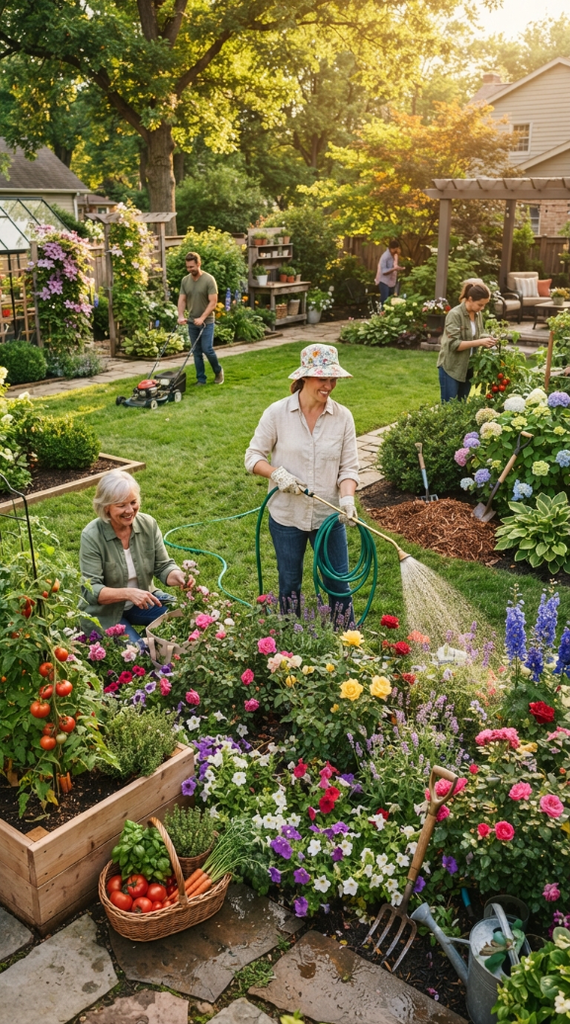
March is when the garden begins waking up.
Depending on your climate, you may see bulbs emerging, grass greening, and tree buds beginning to swell.
Garden Tasks for March
- Clean garden beds
- Remove dead annual plants
- Cut back dead perennial growth
- Start more seeds indoors
- Plant cool-season vegetables
- Divide overcrowded perennials
- Test garden soil
- Add compost
- Repair irrigation systems
- Check outdoor faucets
- Begin controlling early weeds
Clean Beds Gradually
Remove old leaves, stems, and debris from garden beds.
But do not rush to make everything perfectly clean.
Beneficial insects may still be overwintering in stems and leaf litter.
If temperatures remain cold, waiting slightly longer can help protect them.
Plant Cool-Season Vegetables
Depending on your climate, March may be suitable for:
- Spinach
- Lettuce
- Peas
- Radishes
- Kale
- Carrots
- Beets
- Broccoli
- Cabbage
Always check your local frost dates before planting.
Get Ahead of Weeds
Small weeds are much easier to remove than mature weeds.
Spending 15 minutes removing young weeds now can save hours later.
April Gardening Checklist
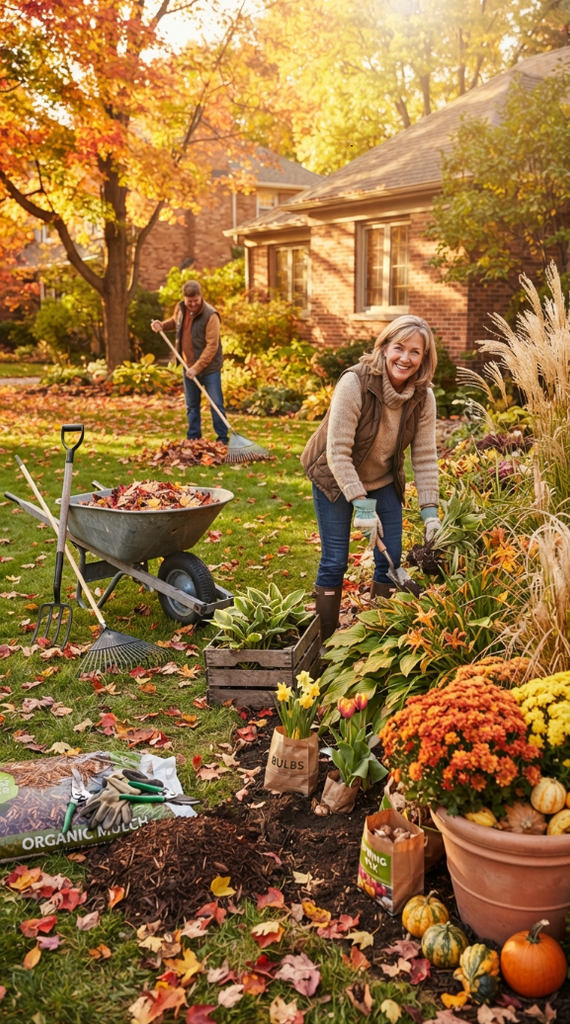
April is one of the busiest months in the garden.
Flowers are emerging, lawns are growing, and planting season is starting in many areas.
Garden Tasks for April
- Plant hardy annuals
- Plant perennials
- Plant trees and shrubs
- Apply mulch
- Edge garden beds
- Fertilize appropriate plants
- Begin regular lawn mowing
- Plant potatoes
- Sow cool-season vegetables
- Install trellises
- Monitor pests
Add Fresh Mulch
Apply about 2 to 3 inches of mulch around garden beds.
Mulch helps:
- Suppress weeds
- Maintain soil moisture
- Moderate soil temperature
- Improve the appearance of beds
Do not pile mulch directly against tree trunks or plant stems.
Leave a little space around the base.
Plant Trees and Shrubs
Spring can be an excellent time to install new landscaping plants.
Dig planting holes wide rather than extremely deep.
The top of the root ball should generally remain near soil level.
Start Supporting Climbing Plants
Install trellises before vines become tangled.
This works well for:
- Clematis
- Peas
- Cucumbers
- Pole beans
- Climbing roses
May Gardening Checklist
May is when gardens often shift from preparation into full growth.
Warm-season planting begins in many regions once frost danger has passed.
Garden Tasks for May
- Plant tomatoes
- Plant peppers
- Plant cucumbers
- Plant beans
- Plant squash
- Plant annual flowers
- Hang baskets
- Plant containers
- Weed regularly
- Fertilize vegetables
- Check irrigation
- Stake tall plants
- Deadhead spring flowers
Plant Warm-Season Vegetables
Once soil temperatures warm and frost danger passes, plant:
- Tomatoes
- Peppers
- Eggplants
- Cucumbers
- Beans
- Zucchini
- Pumpkins
- Corn
- Basil
Do not plant simply because the calendar says May.
Cold soil can stunt warm-season crops.
Water New Plants Carefully
Recently planted flowers, shrubs, and vegetables require more frequent watering while roots become established.
A light sprinkle every few minutes is usually less effective than deeper watering.
Water thoroughly so moisture reaches the root zone.
June Gardening Checklist
June gardens can grow incredibly quickly.
Unfortunately, weeds can too.
This is the month when regular maintenance becomes especially important.
Garden Tasks for June
- Weed weekly
- Water deeply
- Deadhead flowers
- Harvest herbs
- Pinch basil
- Stake tomatoes
- Tie climbing vines
- Monitor insects
- Refresh mulch
- Mow lawns regularly
- Feed container plants
- Remove diseased foliage
Water Deeply, Not Constantly
Deep watering encourages deeper roots.
Shallow daily watering can encourage shallow root systems that dry quickly.
Most established plants prefer fewer deep watering sessions rather than frequent tiny amounts.
Deadhead Flowers
Remove faded blooms from plants such as:
- Petunias
- Marigolds
- Roses
- Zinnias
- Geraniums
- Coneflowers
This can encourage continued flowering and keep plants looking tidy.
Check Tomatoes
Secure growing tomato stems to cages or supports before they become heavy.
Prune damaged leaves and watch for common problems such as spotting or yellowing.
July Gardening Checklist
July is often one of the hottest months of the year.
Your main priorities become watering, harvesting, pest control, and protecting plants from heat stress.
Garden Tasks for July
- Water early in the morning
- Check containers daily
- Harvest vegetables frequently
- Deadhead flowers
- Remove damaged leaves
- Watch for pests
- Protect plants during heat waves
- Pull weeds before they set seed
- Refresh mulch
- Continue mowing as needed
- Harvest herbs before flowering
Water at the Right Time
Early morning is generally the best time to water.
Plants can absorb moisture before the hottest part of the day.
Watering early also allows wet foliage to dry more quickly.
Containers Need Extra Attention
Pots dry much faster than garden beds.
Hanging baskets may require daily watering during extreme heat.
Small containers dry especially quickly.
Harvest Frequently
Regular harvesting encourages many vegetables to keep producing.
Pick:
- Cucumbers
- Beans
- Zucchini
- Tomatoes
- Peppers
- Herbs
Do not allow oversized zucchini to hide underneath leaves unless you are intentionally trying to grow baseball bats.
August Gardening Checklist
August can feel like the garden is slowing down, but there is still plenty to do.
It is also a great time to begin planning the fall garden.
Garden Tasks for August
- Continue watering deeply
- Harvest summer vegetables
- Remove exhausted annuals
- Start fall vegetable seeds
- Divide selected perennials
- Collect flower seeds
- Trim damaged growth
- Continue weed control
- Check irrigation
- Harvest tomatoes regularly
- Preserve excess produce
Start Fall Crops
Depending on your climate, plant or start:
- Lettuce
- Kale
- Spinach
- Radishes
- Broccoli
- Carrots
- Turnips
- Beets
Fall vegetable gardens can be surprisingly productive because temperatures gradually become cooler.
Collect Seeds
Save seeds from healthy open-pollinated flowers and vegetables.
Allow seed heads or pods to mature fully before collecting them.
Store seeds somewhere cool and dry.
September Gardening Checklist
September is one of the best gardening months.
Temperatures become more comfortable, rainfall may increase, and soil often remains warm.
These conditions are excellent for root development.
Garden Tasks for September
- Plant trees
- Plant shrubs
- Divide perennials
- Plant fall flowers
- Sow cool-season vegetables
- Repair lawns
- Aerate lawns where appropriate
- Overseed thin grass
- Collect seeds
- Harvest remaining vegetables
- Reduce fertilizing tender plants
Plant Trees and Shrubs
Early fall can be an excellent time to establish trees and shrubs.
Warm soil encourages roots to develop while cooler air reduces plant stress.
Continue watering newly planted trees until the ground freezes or your rainy season becomes consistent.
Repair Your Lawn
Cool-season lawns often respond well to early fall maintenance.
This may include:
- Aeration
- Overseeding
- Bare-patch repair
- Appropriate fertilization
October Gardening Checklist
October is all about preparing the garden for winter while still enjoying fall color.
Garden Tasks for October
- Plant spring-flowering bulbs
- Clean vegetable beds
- Remove diseased plants
- Add compost
- Continue planting trees
- Rake leaves
- Mulch leaves for compost
- Protect tender plants
- Bring houseplants indoors
- Clean containers
- Harvest pumpkins
- Plant garlic
Plant Spring Bulbs
Plant bulbs such as:
- Tulips
- Daffodils
- Crocuses
- Hyacinths
- Alliums
Most spring bulbs require a period of cold temperatures before blooming.
Plant Garlic
Fall is one of the best times to plant garlic in many climates.
Separate bulbs into individual cloves and plant them pointed side up.
Garlic usually develops roots before winter and resumes growing in spring.
Bring Houseplants Indoors
Before bringing plants indoors, inspect them carefully for:
- Aphids
- Spider mites
- Scale
- Mealybugs
- Fungus gnats
You do not want to accidentally introduce an entire insect civilization into your living room.
November Gardening Checklist
November is preparation month.
The goal is to protect your garden and finish outdoor tasks before severe winter weather arrives.
Garden Tasks for November
- Continue leaf cleanup
- Add leaves to compost
- Mulch tender perennials
- Drain garden hoses
- Shut off outdoor water lines if necessary
- Protect young trees
- Clean tools
- Store garden furniture
- Finish bulb planting
- Water evergreens during dry weather
- Clean vegetable beds
Protect Young Trees
Young tree bark can be vulnerable to rodents and winter damage.
Tree guards may help protect trunks.
Avoid wrapping trees incorrectly or leaving materials on too long.
Do Not Waste Fallen Leaves
Leaves are one of the best free garden resources.
You can:
- Compost them
- Shred them for mulch
- Add them to vegetable beds
- Use them as winter protection
Whole thick layers can sometimes mat together, so shredding them with a lawn mower can make them easier to use.
December Gardening Checklist
December is one of the quietest gardening months.
And that is okay.
Gardens need rest too.
Garden Tasks for December
- Protect plants from extreme cold
- Check stored bulbs
- Inspect tools
- Organize seeds
- Review garden photos
- Plan next year’s projects
- Water indoor plants carefully
- Check holiday plants
- Inspect trees after storms
- Feed birds if appropriate
Care for Indoor Plants
Indoor heating can dry soil more quickly, but shorter winter days also mean plants often grow more slowly.
Do not automatically increase watering.
Always test the soil first.
Review Your Garden
Make notes about:
- Plants that performed well
- Plants that struggled
- Pest problems
- Vegetable yields
- Flower combinations you liked
- Areas needing improvement
Next year’s garden becomes much easier when you keep even a few basic notes.
Seasonal Lawn Care Checklist
A healthy lawn requires different care throughout the year.
Spring
- Rake winter debris
- Repair bare patches
- Begin mowing
- Aerate if needed
- Apply appropriate fertilizer
- Control early weeds
Summer
- Mow slightly higher
- Water deeply
- Avoid excessive fertilizer during extreme heat
- Watch for insect damage
Fall
- Aerate cool-season lawns
- Overseed
- Fertilize where appropriate
- Continue mowing until growth stops
- Remove thick leaf cover
Winter
- Minimize traffic on frozen lawns
- Service mower equipment
- Plan repairs for spring
Monthly Flower Garden Checklist
If your goal is continuous color, timing matters.
Late Winter
Plan flower beds and order seeds.
Early Spring
Plant cold-tolerant annuals and divide suitable perennials.
Late Spring
Plant warm-season annuals.
Summer
Deadhead regularly and water deeply.
Late Summer
Start fall flowers.
Fall
Plant spring bulbs.
Winter
Protect tender perennials and plan next year’s combinations.
Vegetable Garden Calendar at a Glance
Vegetable planting depends heavily on climate, but this seasonal pattern works for many gardens.
Early Spring
Plant:
- Peas
- Lettuce
- Spinach
- Radishes
- Carrots
- Kale
Late Spring
Plant:
- Tomatoes
- Peppers
- Beans
- Cucumbers
- Squash
- Corn
Summer
Harvest frequently and plant succession crops.
Late Summer
Begin fall vegetables.
Fall
Plant:
- Garlic
- Spinach
- Lettuce
- Kale
- Radishes
Winter
Plan next year’s garden and order seeds.
The Simple Weekly Garden Routine
Even with a month-by-month checklist, most successful gardeners have a basic weekly routine.
Once each week:
- Walk through your garden.
- Check soil moisture.
- Pull small weeds.
- Look underneath leaves for pests.
- Remove diseased or damaged foliage.
- Harvest ripe vegetables.
- Deadhead finished flowers.
- Check containers.
- Inspect irrigation.
- Take a few photos.
This simple habit catches problems before they become major problems.
What Not to Do in the Garden
Sometimes the easiest way to improve your yard is to stop doing things that cause unnecessary stress.
Avoid:
- Watering automatically every day
- Fertilizing struggling plants without knowing the problem
- Cutting plants back at the wrong season
- Piling mulch against tree trunks
- Planting without checking mature plant size
- Ignoring drainage
- Allowing weeds to produce seeds
- Planting sun-loving plants in deep shade
- Planting shade plants in intense afternoon sun
A few thoughtful choices can prevent years of unnecessary maintenance.
Create a Garden Calendar That Fits Your Climate
No gardening calendar works perfectly everywhere.
Someone gardening in Florida follows a very different schedule from someone gardening in Minnesota.
Instead of following exact dates, watch for natural signs.
Examples include:
- Your average last frost
- Your first fall frost
- Soil temperature
- Daytime temperatures
- Rainfall
- Plant dormancy
- Local flowering times
Your local garden center or agricultural extension service can also help you identify the best planting windows for your area.
Final Thoughts
Keeping a yard beautiful all year does not require spending every weekend doing garden chores.
It requires doing the right small tasks at the right time.
January is for planning.
March is for preparation.
May is for planting.
July is for watering and harvesting.
September is for planting again.
October and November are for cleanup and protection.
And December gives both you and your garden a chance to slow down.
Instead of trying to fix everything at once, save this checklist and return to it at the beginning of each month.
A few hours of timely garden care can prevent weeks of work later.
And when each season arrives, your garden will already be ready for it.