
15 Plants That Keep Dying—and the Simple Fix for Each One
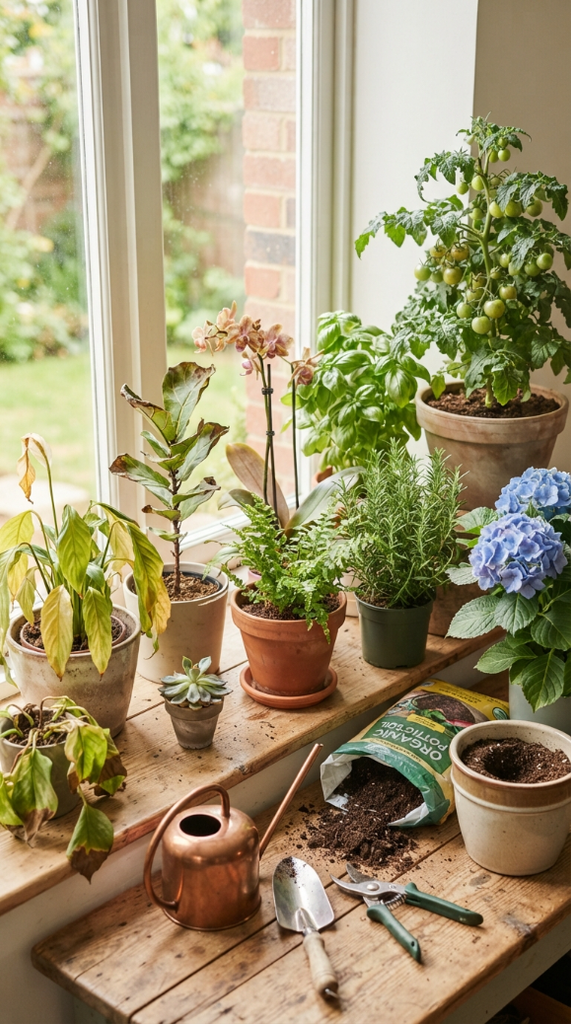
You bring home a beautiful plant, find the perfect spot for it, water it carefully—and a few weeks later, the leaves are yellow, crispy, drooping, or falling off.
Sound familiar?
The frustrating thing about houseplants is that they rarely tell you exactly what is wrong. A plant that looks thirsty might actually be overwatered. Brown leaves can come from dry air, too much sun, mineral buildup, or inconsistent watering. And sometimes, the plant itself simply prefers very different conditions from the ones we assume it needs.
The good news is that many “difficult” plants are not actually difficult. They are simply particular.
Below are 15 popular plants that often seem to die for no reason, along with the most common cause and the easiest fix.
1. Calathea
Calatheas are famous for their beautiful patterned leaves—and equally famous for developing brown edges almost overnight.
Why It Keeps Dying
The biggest problems are usually low humidity, inconsistent watering, and poor-quality tap water.
Calatheas prefer consistently moist soil but dislike sitting in water. They can also react badly to minerals, chlorine, and fluoride in tap water.
Brown edges are especially common when indoor air becomes dry.
The Simple Fix
Keep the soil lightly moist rather than allowing it to become completely dry.
Water when the top 1 inch of soil begins to feel dry.
If your tap water is heavily treated or mineral-rich, try using filtered water, rainwater, or distilled water occasionally.
Place the plant near a humidifier or group it with other houseplants to increase humidity.
Best Conditions
- Bright indirect light
- Moderate to high humidity
- Moist but well-draining soil
- Warm temperatures
- Protection from cold drafts
Quick Tip: Avoid placing Calathea directly beside air conditioners, heaters, or drafty windows.
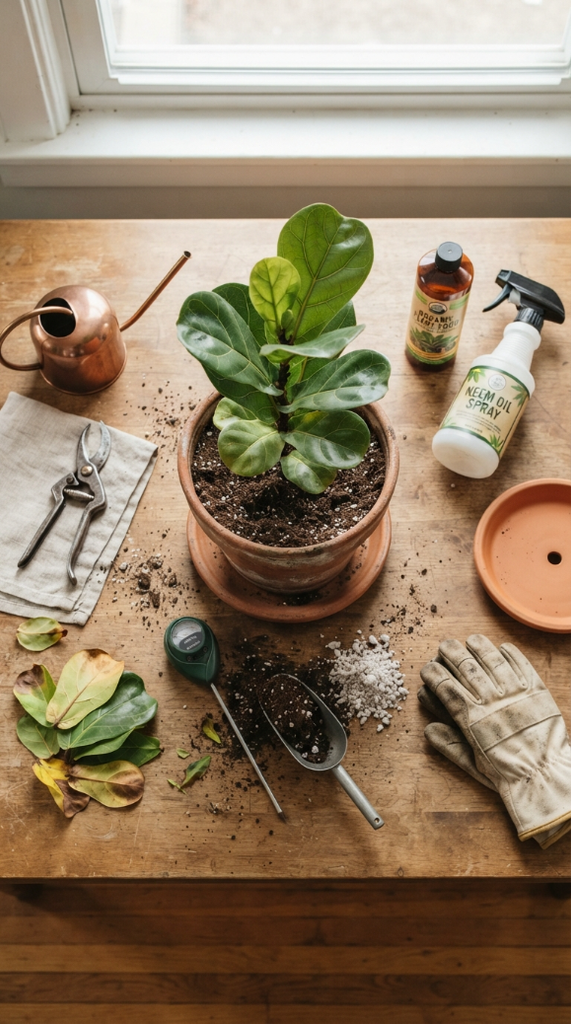
2. Fiddle Leaf Fig
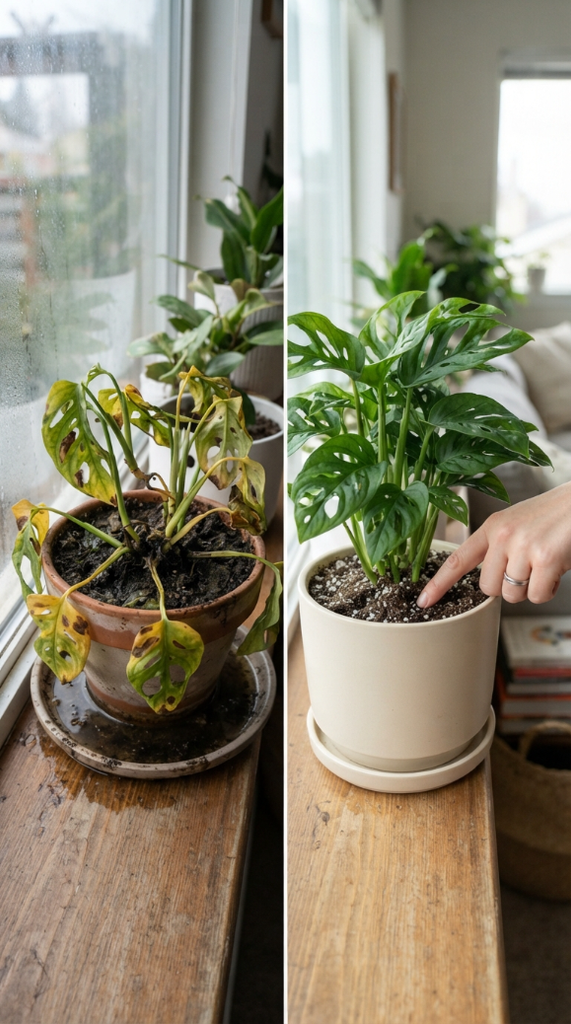
The fiddle leaf fig might be one of the most photographed houseplants on the internet—and one of the most dramatic.
One day it looks perfect. The next day, several leaves develop brown spots.
Why It Keeps Dying
Fiddle leaf figs dislike sudden changes.
Moving the plant frequently, changing its watering schedule, exposing it to cold drafts, or placing it in insufficient light can cause stress.
Overwatering is another major problem.
The Simple Fix
Give your fiddle leaf fig a permanent location with plenty of bright indirect light.
Water deeply only when the top couple of inches of soil have dried.
Make sure excess water drains from the pot.
Avoid watering on a strict calendar. Always check the soil first.
Best Conditions
- Bright indirect light
- Consistent temperature
- Well-draining soil
- Deep but infrequent watering
Pro Tip: Once your fiddle leaf fig seems happy in a particular location, leave it there.
3. Maidenhair Fern
Maidenhair ferns look delicate, elegant, and almost magical.
Unfortunately, they can also turn crispy incredibly quickly.
Why It Keeps Dying
The soil dries out.
Maidenhair ferns have very little tolerance for completely dry soil. Even one serious drying episode can cause the delicate leaves to shrivel.
The Simple Fix
Check the soil frequently and keep it consistently moist.
Do not allow the pot to sit permanently in water, but also do not let the soil become bone dry.
Higher humidity also helps enormously.
A bathroom with natural light can be an excellent location.
Best Conditions
- Medium to bright indirect light
- High humidity
- Consistently moist soil
- No harsh afternoon sun
4. Peace Lily
Peace lilies are usually considered easy plants, yet many owners struggle with yellow leaves and constant drooping.
Why It Keeps Dying
The most common reason is overwatering.
Peace lilies love moisture, but their roots still need oxygen.
Keeping the soil permanently soggy can cause root problems and yellow leaves.
The Simple Fix
Allow the upper layer of soil to dry slightly before watering again.
Use a pot with drainage holes.
When watering, soak the soil thoroughly, then allow excess water to drain.
What About Drooping?
Peace lilies naturally droop when they become thirsty.
If the plant perks up a few hours after watering, it was probably simply thirsty.
If it remains limp even when the soil is wet, root problems may be developing.
5. String of Pearls
String of pearls looks amazing spilling over a shelf or hanging planter, but it can quickly become thin, shriveled, or mushy.
Why It Keeps Dying
Too much water and too little light.
The round leaves store water, meaning this plant behaves more like a succulent than a typical leafy houseplant.
The Simple Fix
Let the soil dry substantially between waterings.
Move the plant close to a bright window where it receives plenty of indirect light and possibly gentle morning sun.
Use cactus or succulent soil with excellent drainage.
Warning Signs
Shriveled pearls: Often underwatering.
Mushy or translucent pearls: Often overwatering.
Long gaps between pearls: Usually insufficient light.
6. Boston Fern
Boston ferns are beautiful when full and green, but many quickly develop dry brown leaves indoors.
Why It Keeps Dying
Dry air is usually the problem.
Indoor heating and air conditioning can remove a surprising amount of moisture from the air.
The Simple Fix
Increase humidity and water consistently.
Keep the soil slightly moist but never swampy.
A humidifier is much more effective than occasionally misting the leaves.
Remove dead fronds so the plant can focus its energy on fresh growth.
Best Location
Bathrooms, bright kitchens, and rooms with higher humidity often work well.
7. Orchid
Many people assume their orchid is dying when its flowers fall off.
Usually, it isn’t.
Why It Keeps Dying
Orchids are often overwatered after blooming.
Their thick roots need airflow and should not remain constantly wet.
The Simple Fix
Water only when the growing medium is beginning to dry.
Most common grocery-store orchids are Phalaenopsis orchids and grow well in chunky orchid bark rather than dense potting soil.
Allow water to drain completely.
Important
Flower loss does not necessarily mean your orchid is unhealthy.
Blooms naturally fade after several weeks or months.
Healthy green leaves and firm roots usually indicate that the plant is still doing well.
8. Aloe Vera
Aloe vera is often described as nearly impossible to kill.
Ironically, that makes people water it far too often.
Why It Keeps Dying
Overwatering.
Aloe stores water inside its thick leaves and can tolerate long dry periods.
Constantly wet soil causes root rot.
The Simple Fix
Let the soil dry completely before watering again.
Use fast-draining succulent soil and a pot with drainage holes.
Give the plant plenty of bright light.
Watch the Leaves
Soft, translucent leaves often suggest too much water.
Thin, curled leaves may indicate that the plant needs water.
9. Basil
You buy a gorgeous supermarket basil plant and within a week it looks exhausted.
This is incredibly common.
Why It Keeps Dying
Store-bought basil pots often contain many seedlings packed into one tiny container.
The plants compete for water, nutrients, and light.
The Simple Fix
Divide crowded basil plants into several pots.
Use fresh potting soil and place them somewhere with strong sunlight.
Pinch off flower buds to encourage more leafy growth.
Water whenever the upper surface of the soil begins drying.
Bonus Tip
Harvest basil frequently.
Regular cutting encourages bushier growth instead of tall, weak stems.
10. Rosemary
Rosemary can thrive outdoors for years but struggle surprisingly quickly indoors.
Why It Keeps Dying
Insufficient sunlight and excessive moisture.
Rosemary comes from Mediterranean climates where sunlight is strong and soil drains quickly.
The Simple Fix
Place rosemary in your sunniest window.
Use well-draining soil and allow the surface to dry between waterings.
Avoid constantly damp soil.
If possible, grow rosemary outdoors during suitable weather.
11. Lavender
Lavender has a reputation for being easy, but indoor lavender often becomes weak and brown.
Why It Keeps Dying
Too much moisture and not enough sunlight.
Lavender strongly prefers sunny, relatively dry conditions.
The Simple Fix
Provide at least several hours of strong direct sunlight whenever possible.
Use fast-draining soil.
Let the soil dry between waterings.
Do not keep lavender permanently moist.
Best Approach
Lavender generally performs better outdoors than indoors.
If you grow it inside, choose the brightest location you have.
12. Succulents
Succulents are often marketed as perfect beginner plants.
Then beginners water them every few days.
That is where the trouble starts.
Why They Keep Dying
Too much water combined with insufficient light.
The Simple Fix
Give succulents plenty of strong light.
Let the soil dry fully before watering.
When you do water, water thoroughly rather than giving tiny daily sips.
Use fast-draining cactus soil.
Remember
Succulents naturally survive dry conditions.
Missing one watering is usually much safer than watering repeatedly.
13. Pothos
Pothos is considered one of the easiest houseplants, yet yellow leaves can still appear unexpectedly.
Why It Keeps Dying
Usually excessive watering.
Pothos tolerates slightly dry soil better than permanently wet soil.
The Simple Fix
Water when the top 1–2 inches of soil have dried.
Make sure the container has drainage holes.
Place the plant in bright indirect light for fuller, faster growth.
Yellow Leaves
An occasional old yellow leaf is normal.
Multiple yellow leaves appearing at once may indicate overly wet soil.
14. Monstera
Monstera plants can grow into spectacular indoor statement plants, but yellow leaves and brown patches are common.
Why It Keeps Dying
The problem is often watering, drainage, or insufficient light.
Large pots can hold moisture for much longer than expected.
The Simple Fix
Check the soil several inches below the surface before watering.
Give the plant bright indirect light.
Use an airy soil mixture containing ingredients such as potting mix, bark, and perlite.
Provide a moss pole or support as the plant matures.
For Bigger Leaves
Healthy mature Monsteras often develop more dramatic leaf splits when they receive good light and climbing support.
15. Croton
Crotons have incredible orange, red, yellow, and green leaves, but they can react dramatically after being moved.
Why It Keeps Dying
Environmental shock.
Crotons dislike sudden changes in temperature, humidity, watering, and light.
They may drop several leaves shortly after being brought home.
The Simple Fix
Place the plant somewhere warm with strong indirect light.
Keep watering fairly consistent.
Avoid cold drafts.
Then give the plant time to adjust.
A few dropped leaves after relocation do not automatically mean the plant is dying.
The 5 Most Common Reasons Houseplants Die
Although every plant has different preferences, most houseplant problems come down to a handful of basic issues.
1. Too Much Water
This is probably the most common houseplant mistake.
Plant roots need both water and oxygen.
When soil remains saturated constantly, roots may begin to rot.
Instead of watering on a schedule such as “every Tuesday,” check the soil first.
2. Not Enough Light
A plant may survive in a dark corner for months without actually thriving.
Signs of insufficient light can include:
- Slow growth
- Pale leaves
- Long, stretched stems
- Smaller new leaves
- Loss of colorful variegation
- Soil remaining wet for unusually long periods
Move struggling plants closer to a window gradually.
3. The Wrong Soil
Standard potting soil is not appropriate for every plant.
Succulents need fast drainage.
Orchids need excellent airflow around their roots.
Tropical plants may prefer a rich but airy mixture.
Using the correct soil can solve problems that watering adjustments alone cannot fix.
4. Pots Without Drainage
Decorative planters often look beautiful but lack drainage holes.
Water may accumulate at the bottom where you cannot see it.
Whenever possible, grow plants in containers that allow excess water to escape.
You can always place a basic nursery pot inside a decorative outer pot.
5. Loving the Plant Too Much
Yes, this is a real problem.
Constant watering, frequent repotting, moving plants around, adding too much fertilizer, and repeatedly checking roots can create unnecessary stress.
Plants often do better when you provide the correct environment and then leave them alone.
How to Tell Whether You’re Overwatering or Underwatering
The symptoms can look surprisingly similar.
Possible Signs of Overwatering
- Yellow leaves
- Mushy stems
- Soft leaves
- Fungus gnats
- Soil staying wet for many days
- Unpleasant smell from soil
- Dark or soft roots
Possible Signs of Underwatering
- Crispy leaf edges
- Dry soil pulling away from the pot
- Limp leaves
- Wrinkled succulent leaves
- Very lightweight pot
- Drooping that improves soon after watering
Always check the soil before assuming the problem.
A Simple Plant-Care Routine That Actually Works
You do not need a complicated spreadsheet or strict watering calendar.
Once or twice each week, walk around your plants and check them individually.
Touch the soil.
Look underneath the leaves.
Check for pests.
Turn pots occasionally so growth remains balanced.
Remove dead leaves.
Water only the plants that actually need water.
This five-minute habit can prevent most common houseplant disasters.
Before Throwing Away a “Dead” Plant
A plant that looks terrible may still be alive.
Try this:
Scratch a tiny section of the stem.
If the tissue underneath is green, the plant may still recover.
Remove dead foliage, check the roots, correct the growing conditions, and give the plant time.
Plants can be surprisingly resilient.
Final Thoughts
Most plants do not die because you lack a “green thumb.”
They die because one small part of their environment does not match what they naturally prefer.
A Calathea wants humidity.
A succulent wants dry soil.
A rosemary plant wants sunshine.
A maidenhair fern wants consistent moisture.
Once you understand that one key preference, plant care becomes dramatically easier.
So if one of your houseplants keeps struggling, do not immediately replace it.
Check the light.
Check the soil.
Check the drainage.
And most importantly, check whether you may be watering it too often.
Sometimes the difference between a dying plant and a thriving one is just one small adjustment.