
Let me ask you something.
Have you ever been jolted awake by a closet door slamming?
Or heard drawers thudding shut while you were trying to focus?
Or felt that subtle stress from constant background noise in your own home?
We talk a lot about visual clutter.
We obsess over color palettes, styling shelves, organizing pantries.
But there’s another kind of clutter we rarely address:
Sound clutter.
And closets — yes, closets — are one of the biggest hidden contributors.
Today we’re going to fix that.
This is your complete guide to building a “Silent Closet” using:
- Acoustic felt liners
- Soft-close hinges and drawer slides
- Door dampening upgrades
- Sound-absorbing storage solutions
And the best part?
You can retrofit almost everything into your existing storage.
No major renovation required.

Why Household Noise Matters More Than You Think
Noise isn’t just annoying.
It’s draining.
Even small, repetitive sounds — drawer thuds, hanger clacks, cabinet snaps — create micro stress responses in your body.
When your home becomes quieter:
- Sleep improves
- Focus increases
- Anxiety decreases
- Spaces feel more luxurious
Luxury homes don’t just look better.
They sound better.
And the difference is subtle but powerful.
Where Closet Noise Actually Comes From
Before we upgrade, let’s understand the problem.
Closets create noise from:
- Doors slamming against frames
- Drawers hitting their stops
- Hangers clacking on rods
- Shoes knocking against shelving
- Wire racks vibrating
- Hard surfaces amplifying sound
Closets are usually built with:
- Hollow-core doors
- Thin particleboard shelves
- Metal hardware
- No sound absorption
In other words — they’re echo chambers.
Let’s change that.
Step 1: Install Soft-Close Hinges (The Game Changer)
If you do only one thing, do this.
Soft-close hinges prevent doors from slamming by gently pulling them shut at the end.
They’re the same style used in high-end kitchens.
You can upgrade most standard closet doors with:
- Clip-on soft-close adapters
- Replacement concealed hinges
- Hydraulic hinge dampers
Installation usually takes 10–20 minutes per door.
The result?
No more late-night door bangs.
Just a smooth, quiet close every time.
Step 2: Upgrade to Soft-Close Drawer Slides
Closet drawers are often the worst offenders.
Standard slides:
- Slam at the end
- Rattle when opening
- Feel cheap
Soft-close drawer slides use internal hydraulic systems to slow movement.
Benefits:
- No thudding
- No accidental slams
- Longer drawer lifespan
- Instant “luxury” feel
Even upgrading just bedroom closet drawers makes a noticeable difference.
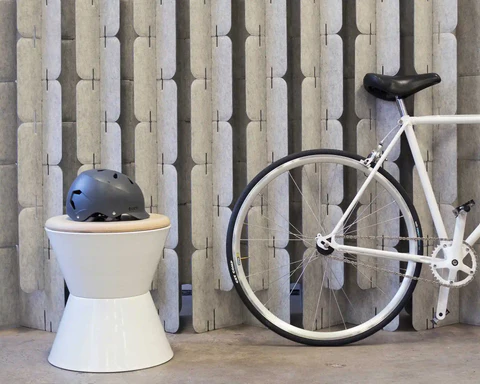
Step 3: Add Acoustic Felt Liners
This is where things get interesting.
Acoustic felt isn’t just decorative — it absorbs sound waves and reduces vibration.
You can use it:
- On drawer bottoms
- On shelf surfaces
- Behind closet walls
- On door interiors
Why it works:
Soft materials absorb high-frequency impact noise.
Hard wood reflects it.
So when you:
- Drop keys in a drawer
- Set shoes on shelves
- Toss a belt down
The sound gets absorbed instead of amplified.
Choosing the Right Felt
Look for:
- 3–5mm thickness for drawers
- 9–12mm panels for wall absorption
- Recycled PET acoustic panels (durable and eco-friendly)
Colors?
- Charcoal for modern closets
- Warm gray for neutral tones
- Beige for softer aesthetics
You can even match your closet palette.
Step 4: Line Closet Rods to Stop Hanger Clatter
This one is simple but brilliant.
Hangers clacking against metal rods create sharp, high-pitched noise.
Solution:
- Slide a thin felt sleeve over the rod
- Use rubberized rod covers
- Install wood closet rods instead of metal
It softens the impact dramatically.
You’ll notice the difference immediately.
Step 5: Add Door Edge Dampers
Those tiny rubber bumpers inside cabinets?
Use them in closets too.
Place them:
- On door frames
- Where sliding doors meet
- Behind handles
They absorb impact before wood hits wood.
Cheap upgrade. Huge difference.
Step 6: Quiet Sliding Closet Doors
Sliding doors often:
- Rattle on tracks
- Slam into side panels
- Create vibration noise
Fixes include:
- Track felt lining
- Soft-close sliding door kits
- Nylon rollers instead of metal
If your bedroom has sliding wardrobe doors, this alone can reduce nighttime disturbance significantly.
Step 7: Replace Wire Shelving (If Possible)
Wire shelves amplify sound.
Every time you:
- Place shoes
- Drop folded clothes
- Move baskets
They vibrate.
Switching to:
- Solid wood shelves
- Melamine boards
- MDF with liner
Will instantly soften acoustics.
If replacing isn’t possible, line wire shelves with:
- Acrylic panels
- Wood inserts
- Thick felt mats
Step 8: Use Soft Storage Instead of Hard Bins
Plastic bins are loud.
When stacked or moved, they create sharp impact noise.
Consider:
- Fabric storage cubes
- Canvas bins
- Felt baskets
They absorb sound instead of reflecting it.
And they look better.
Step 9: Add Wall Acoustic Panels (Hidden Option)
If your closet shares a wall with:
- A nursery
- A home office
- A bedroom
You can line the inside back wall with thin acoustic panels.
No one sees them.
But sound transmission decreases significantly.
This is especially useful in apartments.
Step 10: Upgrade to Soft-Close Hamper Systems
Laundry hampers can slam too.
Look for:
- Tilt-out hampers with dampers
- Soft-close hinge kits
- Lid slow-close hardware
Even small upgrades compound into noticeable quiet.
The Psychological Power of a Silent Closet
Here’s something interesting.
Closets are often used:
- Early in the morning
- Late at night
When everyone else is sleeping.
So small noise improvements have big lifestyle impact.
Imagine:
- Getting dressed at 5:30 AM
- No door slams
- No hanger clatter
- No drawer thuds
You move quietly. Calmly.
That changes your entire start to the day.
Budget Breakdown
You don’t need to do everything at once.
Basic Upgrade ($50–100)
- Soft-close adapters
- Felt drawer liners
- Rubber bumpers
Mid-Level Upgrade ($150–300)
- Full hinge replacements
- Soft-close slides
- Rod covers
- Shelf liners
Premium Upgrade ($500+)
- Custom acoustic panels
- Solid shelving replacement
- Built-in dampening systems
Start small.
The improvements add up.
Who Benefits Most from a Silent Closet?
- Parents with sleeping babies
- Light sleepers
- Apartment dwellers
- Remote workers
- Minimalists who value calm environments
If you’ve ever whispered while closing a drawer, you need this.
Common Mistakes to Avoid
❌ Over-padding so drawers don’t close properly
❌ Blocking ventilation
❌ Using adhesive that damages finishes
❌ Installing hinges incorrectly
❌ Ignoring alignment adjustments
Take your time with installation.
Precision matters.
Silent Closet + Hidden Charging Drawer Combo
If you read the hidden charging hub article, imagine combining both ideas.
Inside your closet:
- A hidden charging drawer
- Acoustic felt lining
- Soft-close slides
Now your tech charges quietly.
Your drawers glide silently.
Your doors never slam.
This is how thoughtful design layers together.
The Luxury Factor
High-end hotels and custom homes prioritize sound control.
Not because it’s flashy.
But because silence feels expensive.
A quiet space signals:
- Quality craftsmanship
- Intentional design
- Comfort
And you can create that feeling without remodeling your house.
30-Minute Starter Plan
If you want immediate results today:
- Install rubber door bumpers.
- Add felt liners to top drawers.
- Replace one hinge with soft-close.
- Add rod sleeve for hangers.
You’ll hear the difference tonight.
Final Thoughts: Designing for Sound, Not Just Sight
We spend so much time designing homes that look beautiful.
But how often do we design homes that sound beautiful?
The “Silent Closet” is a reminder that comfort isn’t just visual.
It’s sensory.
When:
- Doors close softly
- Drawers glide silently
- Hangers move quietly
Your home feels calmer.
And calm homes create calmer people.