
Reel Loader: Efficiency Transformed in Production
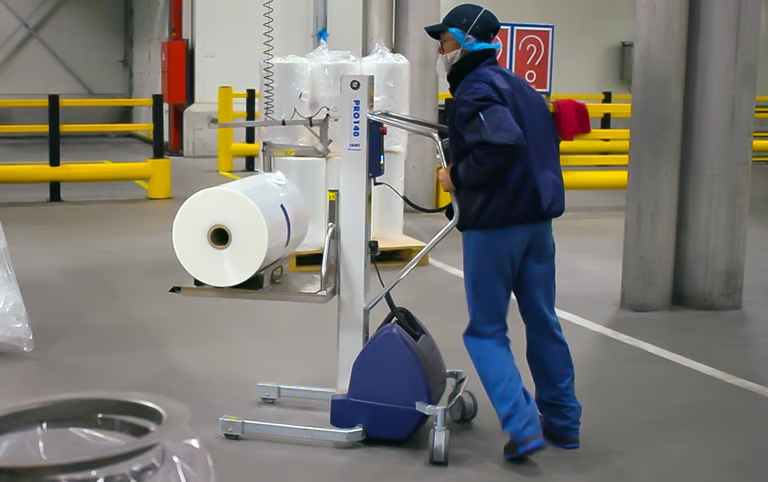
Reel loaders dramatically boost production efficiency by facilitating swift loading and unloading processes. This leads to significant time savings and an increase in throughput levels in manufacturing. Their versatility suits both heavy and delicate materials alike.
With reel loaders in place, companies can experience reduced downtime. This increase in overall output strengthens a firm’s competitive position through enhanced operational speeds.
Reports from businesses embracing reel loaders indicate labor cost reductions of as much as 30%. This decrease stems from a lower need for personnel to manage material handling, contributing substantially to overall cost efficiency.
Engineered for energy efficiency, reel loaders utilize modern motors that consume less power while boosting output, effectively reducing long-term operational expenses.
Successfully integrating reel loaders into a production workflow begins with extensive planning. This includes analyzing current processes and making necessary adjustments to the infrastructure.
Training employees is essential to maximizing the advantages of reel loaders. This training should encompass operation, maintenance, and safety protocols to ensure efficient and smooth usage.
The future of manufacturing is becoming more automated, with reel loaders benefiting from AI integration. This optimization enhances load distribution while simultaneously improving operational safety and productivity.
The Game Plan: Maximizing Production with Reel Loaders
Boosting Throughput: How Reel Loaders Change the Game
In the fast-paced world of manufacturing, delays simply aren’t an option. The arrival of the reel loader has sparked significant changes in production efficiency. Have you ever contemplated how swiftly operations could accelerate? Just think about it for a moment.
Transforming material management, reel loaders enable rapid loading and unloading, leading to streamlined workflows that were once unwieldy. Time savings can be measured in hours, pushing throughput levels to new standards. From large rolls of materials to fragile components, the adaptability of reel loaders makes them essential.
Experts consistently note the remarkable uptick in operational speed. Companies that implement these machines can anticipate a noticeable reduction in downtime, translating to more productive hours during shifts. All these factors help bolster a company’s competitive edge.
Equally important is the enhancement of work quality. When manual handling is minimized, the occurrence of mistakes declines. This results in fewer assembly errors. Importantly, such quality improvements not only boost profits but also cultivate a culture of excellence within organizations.
- Minimizing manual labor involvement.
- Enhancing accuracy in managing materials.
- Simplifying operator workflows.
Cost-Efficiency: Unpacking Savings with Reel Loaders
Cost savings usually grab a manager’s attention. So how does a reel loader generate substantial savings in a bustling production environment? Often, the surprising details unveil the most significant benefits. Analyzing the total costs requires looking beyond just the unit price.
When reel loaders are utilized, maintenance and labor costs decrease. Unlike traditional methods needing multiple workers for tasks such as material handling, reel loaders efficiently operate with fewer staff. Businesses report labor cost savings of up to 30% upon adopting this technology.
Energy savings are another crucial factor. Designed for energy efficiency, reel loaders boast modern motors that use less power while increasing output. Thus, both operational expenses and overall ownership costs may drop notably.
Curious about comparisons? Here are essential factors to assess when evaluating investments in reel loaders:
- Initial acquisition costs.
- Long-term operational expenses.
- Maintenance and repair routines.
The key lies in evaluating these aspects against accumulated savings.
Operational Excellence: Integrating Reel Loaders into Your Workflow
Streamlined Processes: The Logistics of Reel Loader Implementation
The logistics of adding a reel loader could feel challenging. Nevertheless, many businesses find it much more manageable than anticipated. Grasping the workflow is the first step. Analyzing current processes often uncovers optimal integration points.
Typically, infrastructure adjustments are necessary to accommodate these machines. Implementation can involve modifying loading docks or adjusting floor plans to achieve an ideal workflow. Investing time in planning reaps huge benefits, leading to an organized and efficient production line.
Here’s a handy checklist for successful implementation:
- Evaluate current workflows to identify bottlenecks.
- Examine the physical space for machinery compatibility.
- Create a timeline for integration that reduces disruption.
Professionals frequently underline the importance of adequately training staff on new systems. Just a few hours spent on education can yield years of operational improvements, minimizing frustration and promoting acceptance among team members.
Employee Training: Essential Skills for Using Reel Loaders
Educating employees on how to use reel loaders isn’t merely desirable; it’s essential. Companies that focus on training discover far-reaching benefits. So, what knowledge do workers need? Mastering the mechanics of operation is foundational, yet that’s just the starting point.
Understanding maintenance procedures, troubleshooting techniques, and safety protocols are equally critical. Employees well-versed in these areas significantly enhance the machine’s capabilities. Hands-on training fosters rapid proficiency, ensuring smooth operational flow.
Here are key components for training:
- Basics of operation – encompassing loading and unloading practices.
- Maintenance schedules and cleaning procedures.
- Safety measures and hazard recognition.
Ultimately, well-informed employees lead to enhanced safety and efficiency. Investing in training is an investment in both productivity and morale. Knowledge breeds confidence, a valuable quality in a high-stakes manufacturing landscape.
Technical Insights: What Makes Reel Loaders Stand Out
Precision Engineering: The Mechanics Behind Reel Loaders
What elements contribute to making a reel loader effective? Precision engineering forms the foundation. These machines deploy sophisticated technologies aimed at superior performance. It all begins with the motor, built for efficient power delivery that allows for adaptability across various manufacturing contexts.
Some models incorporate advanced sensors, enhancing interactions with other machinery. This capability fosters a cohesive operation rather than a mere collection of parts working in isolation. Consequently, manufacturers can expect higher yields and reduced waste.
The materials used in constructing reel loaders underscore their emphasis on durability. Sturdy components resist the daily operational rigors while minimizing wear and tear, thus ensuring longevity in demanding environments.
“In manufacturing, downtime incurs its own costs. That’s why efficiency is paramount.”
Gaining an understanding of the engineering behind reel loaders aids in making smarter maintenance decisions. Regular servicing and addressing the machine’s specific needs prolong its lifespan and productivity. A well-maintained reel loader can deliver precision for years, giving businesses a distinct advantage in the competitive landscape.
Maintenance Best Practices: Keeping Your Reel Loader in Top Shape
Though maintenance may seem tedious, it’s a secret ingredient for durability. A few key practices stand out. Conducting regular inspections can save businesses considerable amounts over time. Components that tend to wear require special attention. A proactive approach can ward off disruptions in production.
Here’s a straightforward maintenance guide:
- Plan routine checks of moving parts for alignment and wear.
- Lubricate components following manufacturer guidelines.
- Maintain cleanliness regularly to prevent dust buildup that could hinder performance.
The motto should be: “Spend a few minutes now to avoid days later.” Overlooking maintenance can result in catastrophic failures, echoing the adage that an ounce of prevention is worth a pound of cure.
Future Trends: The Evolution of Production with Reel Loaders
Automation Compatibility: Reel Loaders in an AI-Driven Era
The advent of automation has transformed industrial practices profoundly. It’s not only about boosting productivity; also optimizing performance metrics in previously unimaginable ways. Reel loaders align seamlessly with this trend, integrating with smart technologies to redefine manufacturing possibilities.
AI algorithms enhance load distribution and route planning, elevating both productivity and safety. Employees can shift their focus to critical thinking and decision-making rather than repetitive physical tasks. It’s a win-win for everyone involved.
As Industry 4.0 advances, companies need to evaluate how adaptable their current setups are. Those that embrace automation early often find themselves ahead of competitors in the race.
“The future of manufacturing lies in intelligent machines collaborating seamlessly.”
With reel loaders integrated into operations, businesses are set to witness a surge in efficiency as machine-to-machine interaction becomes commonplace. The real question isn’t if these changes are coming, but rather when they will arrive.
Sustainable Practices: How Reel Loaders Enhance Environmental Stewardship
In the current climate, with increasing demand for sustainability, reel loaders play an unexpected role. Their efficiency helps minimize waste, aligning with green production objectives. Lean manufacturing principles emphasize waste reduction, and reel loaders fit snugly within that framework.
By adopting energy-efficient operations, companies can lessen their carbon footprints. Their design supports reduced energy consumption without compromising performance, advancing broader environmental initiatives. It’s not solely about meeting regulations; it’s also about evolving standards.
Considering the following factors can enhance sustainability initiatives:
- Using energy-efficient machinery.
- Establishing recycling programs for scrap materials.
- Promoting continuous training on best sustainable practices.
Fostering discussions around greener manufacturing not only benefits businesses financially; it also cultivates a corporate identity grounded in responsibility and ethics. Every choice, from machinery to training, impacts the environment. Achieving a sustainable future is a collective endeavor.
FAQ
What are the key factors to consider when selecting a reel loader?
Selecting the right reel loader involves assessing multiple factors, such as operational capacity requirements, compatibility with existing systems, and potential space modifications. Additionally, evaluating specific materials handled and required levels of automation will guide businesses in making educated choices.
How does a reel loader improve safety in the workplace?
Reel loaders diminish the need for manual handling, consequently lowering the risks linked to heavy lifting injuries. Their advanced features frequently include safety mechanisms such as load stabilization and automated shut-off systems. This enhanced safety profile fosters a safer working environment, which is essential for employee health.
Can reel loaders be customized for specific manufacturing processes?
Certainly. Numerous manufacturers provide customization options tailored to unique production demands. Companies can specify features such as size, power specifications, and additional safety enhancements. This adaptability ensures that reel loaders meet the specific requirements of various operational settings.
What ongoing training is crucial for employees operating reel loaders?
Training must encompass operational practices, maintenance schedules, and safety protocols. This includes hands-on experience with loading and unloading processes, recognizing potential hazards, and conducting routine inspections. A well-trained workforce has a significant impact on both efficiency and safety in operations.
How do modern reel loaders contribute to energy efficiency?
Modern reel loaders feature advanced motors that optimize power consumption while maximizing output. They minimize energy waste, aided by smart sensors that adjust power usage based on demand. These innovations help keep operational costs low and support sustainability efforts.
What are the maintenance costs associated with reel loaders?
Maintenance costs associated with reel loaders can vary based on usage and specific requirements. Nevertheless, routine inspections and periodic upkeep are crucial for extending their lifespan and sustaining efficiency. Regular attention to components usually results in lower long-term costs compared to reactive repairs needed after breakdowns.
How can businesses measure the return on investment from using reel loaders?
ROI can be tracked through metrics such as reduced labor expenses, increased production rates, and diminished downtime. Companies should evaluate projected savings in operational costs alongside enhancements in workflow efficiency to gain a clearer understanding of the benefits derived from implementing reel loaders.
What future trends should companies anticipate regarding reel loaders and automation?
With ongoing automation trends, companies can expect reel loaders to integrate smarter technologies. AI adoption will likely enhance load management and operational efficiency, paving the way for an even smoother production experience. Staying proactive in adapting to these trends will be crucial for retaining a competitive edge.
Useful Resources
- International Organization for Standardization (ISO)
- National Institute of Standards and Technology (NIST)
- Efficiency Vermont
- Manufacturing.net
- Centers for Disease Control and Prevention – National Institute for Occupational Safety and Health (NIOSH)
- Occupational Safety and Health Administration (OSHA)
- Society of Manufacturing Engineers (SME)
- Association of Iron and Steel Engineers (AIST)
- Automation World