Evaporative Cooling vs Reverse Cycle Air Conditioning: Which Suits Melbourne’s Climate?
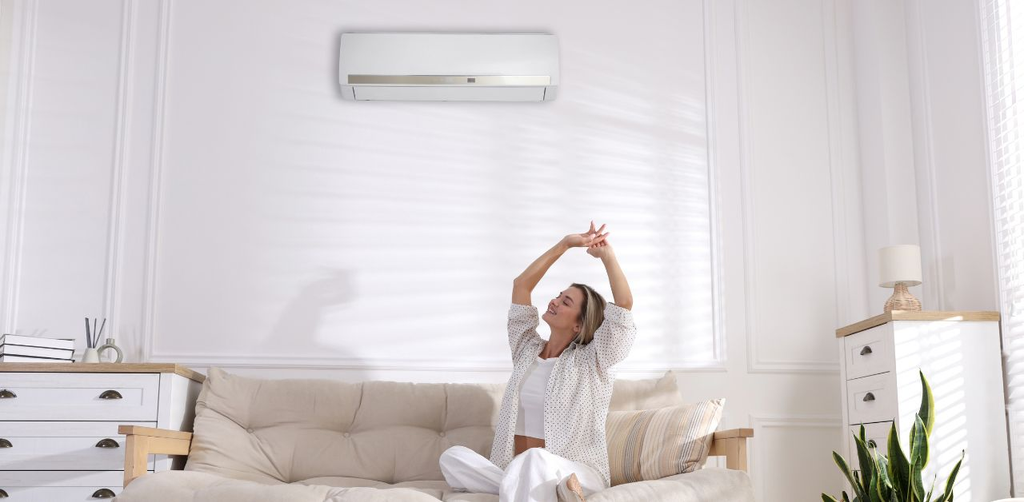
Melbourne’s summers rarely commit to one kind of heat. A 35-degree day with dry northerlies feels nothing like a sticky, still 30-degree evening, even though the thermometer barely notices the difference. Reverse cycle air conditioning doesn’t care which one you’re getting. It pulls heat out of the air through refrigeration, dry or humid, and does the same job either way.
Evaporative cooling isn’t built like that. It draws outside air in and runs it over water-soaked pads, and how well that works comes down almost entirely to how dry the air already is. Fine on a scorching, bone-dry January afternoon. Less fine on one of those thick, still evenings Melbourne throws in without warning, the kind where the humidity does more of the work than the temperature does. That gap is the whole story with evaporative cooling here, and it’s a bigger deal in this city than in most of the country.
Why humidity decides the winner on any given day
On a hot, dry day, an evaporative system can pull indoor temperatures down 8 to 12 degrees while running constant fresh air through the house rather than recycling what’s already inside. Installers see this play out with allergy sufferers all the time, and with anyone who just prefers sleeping with a window cracked. Humid nights are a different story. The pads can only evaporate water as fast as the air around them will accept it, and on Melbourne’s sticky evenings that ceiling gets hit fast. Reverse cycle sidesteps the whole issue. It’s cooling the air directly rather than leaning on evaporation, which is why plenty of Melbourne households end up wanting both systems instead of picking a permanent side.
Running costs favour evaporative, but not for every household
A fan and a water pump use a lot less power than a compressor. That’s the whole reason evaporative cooling costs a fraction of reverse cycle to run per hour, and a household cooling most of the day through January and February notices that gap on the electricity bill fast. Reverse cycle costs more to run, but the trade-off is that it doesn’t care what’s happening with humidity outside, and it heats the same house in winter. For a household not already running separate gas or ducted heating, that second function often ends up mattering more than what happens on any one hot afternoon.
The house itself often makes the decision first
Evaporative systems sit on the roof and duct air down through ceiling vents, with windows left slightly open so the air has somewhere to escape to. That’s not optional. Seal the house up the way you would for reverse cycle, and the system has nowhere to push the air it’s bringing in, cooling performance drops off fast when that happens. The same vents that get draught-proofed for winter are what the system relies on in summer, which is the whole tension with sealed, energy-efficient homes. Reverse cycle runs the opposite way. It’s built for a sealed house, whether that’s one split system or a full ducted setup. A weatherboard Edwardian in Preston with high ceilings and good natural airflow suits evaporative cooling. An airtight, double-glazed new build a few suburbs over is fighting that same system the whole way, and suits reverse cycle instead.
Which suburb you’re in changes the answer
How humid a specific pocket of Melbourne gets matters here. So does what the house physically allows, and whether the same unit needs to handle winter heating too. A place near the bay deals with humidity swings that an inland suburb rarely sees, and the right system for one can be the wrong system for the other a few kilometres away.
Before comparing brands or unit sizes, it’s worth working through the basics first:
- How humid your specific pocket of Melbourne actually runs, not the citywide average
- Whether the house has windows and doors that can stay open through summer
- Whether the unit also needs to cover winter heating
- How much roof and ceiling access the house allows for ducting
Most people don’t actually need to pick a side between “better” and “worse.” A house built to breathe suits evaporative. A house built to stay sealed suits reverse cycle. Get that backwards, and the system isn’t faulty, it was just never going to work for that particular house.