
Innovative Window Upgrades to Maximise Privacy and Natural Light in Australian Homes
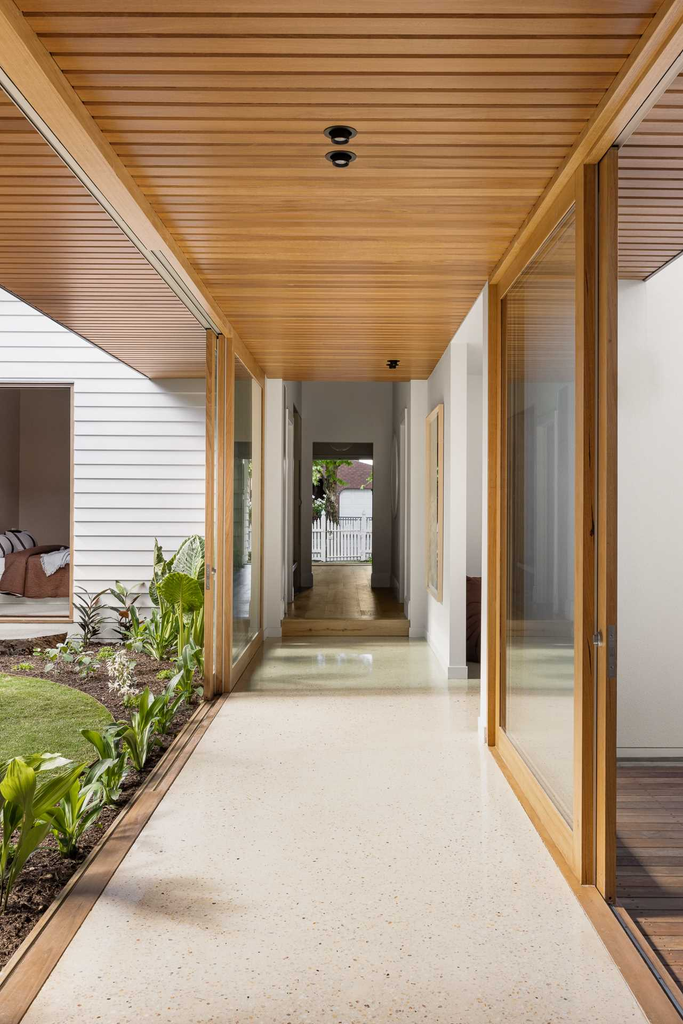
Residential renovation spending in Australia surpassed $40 billion in 2025. Driven heavily by homeowners choosing to upgrade existing properties rather than dealing with high relocation costs, the focus has firmly shifted toward creating highly efficient, comfortable living spaces. The Housing Industry Association reports a strong shift toward large-scale renovations in established, high-equity suburbs, where land scarcity pushes homeowners to reimagine their current footprint.
One of the primary challenges architects and builders face today is finding the perfect balance between maintaining privacy and maximising natural light. With biophilic design dominating residential trends through 2025 and into 2026, creating unobstructed views and allowing abundant sunlight indoors is a top priority. However, in densely populated urban environments where modern renovations prioritise volume over area, achieving this without feeling exposed to neighbours requires strategic thinking and innovative materials.
The Role of Smart Technology in Modern Design
To address the dual need for sunlight and seclusion, many architects and homeowners are turning to advanced switchable film technology. By integrating products from AI Smart Glass, homeowners can instantly transform standard transparent windows into opaque glass for on-demand privacy. This allows residents to enjoy the morning sun without relying on bulky curtains that block natural light and disrupt the clean aesthetic of modern Australian interiors. Incorporating this technology early in the renovation process ensures a seamless integration that enhances both form and function.
Understanding Window Thermal Performance
Before exploring aesthetic upgrades, it is crucial to understand how windows impact a property structurally and thermally. Standard single-glazed windows act as a severe thermal weak spot in harsh climates, allowing for up to 87 per cent of a home’s heat gain during the peak summer months. In fact, up to 40 per cent of an Australian home’s heating energy is lost, and nearly 90 per cent of its heat is gained directly through its windows.
Under the National Construction Code updates, which were progressively enforced leading into 2026, all new Australian residential builds must now achieve a minimum 7-star energy rating. Upgrading a home’s thermal shell from the previous 6-star standard to the new 7-star minimum under the Nationwide House Energy Rating Scheme reduces heating and cooling energy loads by approximately 24 per cent.
To meet these stringent requirements, homeowners must evaluate their window selections based on the Window Energy Rating Scheme. This scheme closely measures the Solar Heat Gain Coefficient and Visible Light Transmittance, rewarding systems that successfully block harsh summer heat while maintaining natural illumination. The Australian Glass and Window Association highlights that optimal window selection must balance the U-value with local climate demands, ensuring properties perform efficiently year-round.
Modern Privacy Technologies for Urban Living
In the past, controlling light and privacy meant relying on heavy curtains, bulky shutters, or standard roller blinds. While effective at blocking sightlines, these traditional treatments completely block natural sunlight. This disrupts the warm, textured aesthetic of modern Australian interiors, which have largely moved away from cold minimalism toward spaces that rely on natural sunlight to highlight earthy materials like timber, stone, and clay.
As the hybrid work lifestyle solidifies in 2026, the demand for multifunctional and flexible residential spaces has increased the need for adaptive lighting controls. Modern switchable film actively reduces household energy consumption by modulating solar heat gain at the flick of a switch, lessening the reliance on mechanical air conditioning without needing physical window coverings. It is an ideal fit for street-facing home offices, ground-floor living rooms, and bathroom renovations where natural light is highly valued but privacy is strictly non-negotiable.
Key Benefits of Advanced Window Upgrades
Investing in modern window systems and switchable glass technologies provides a substantial return on investment through improved livability and lower utility bills. When planning a renovation or new build, upgrading your glazing strategy offers several distinct advantages:
- Improved Energy Efficiency: High-performance glass and switchable films help manage heat transfer effectively. This ensures overnight heat retention in cooler southern zones while limiting peak daytime heat gain in warmer northern regions.
- Uncompromised Natural Light: Advanced window technologies allow for maximum light transmittance. This supports the ongoing trend of biophilic design, keeping interiors feeling expansive, bright, and deeply connected to the outdoors.
- Dynamic Privacy Control: Instead of choosing between a dark room and complete public exposure, modern smart glass allows occupants to adapt their environment to their immediate needs throughout the day.
- Enhanced Property Value: Meeting the new 7-star energy requirements not only future-proofs a property but also makes it highly attractive to eco-conscious buyers in the competitive Australian real estate market.
Optimising residential windows is no longer just about framing a nice view or covering a pane of glass with fabric. It is a critical component of modern building science, spatial design, and household energy management. By moving away from outdated treatments and embracing innovative glass technologies, Australian homeowners can create beautiful, light-filled spaces that remain perfectly private and thermally efficient.