
21 Vegetables You Can Grow in Pots—even in a Tiny Space
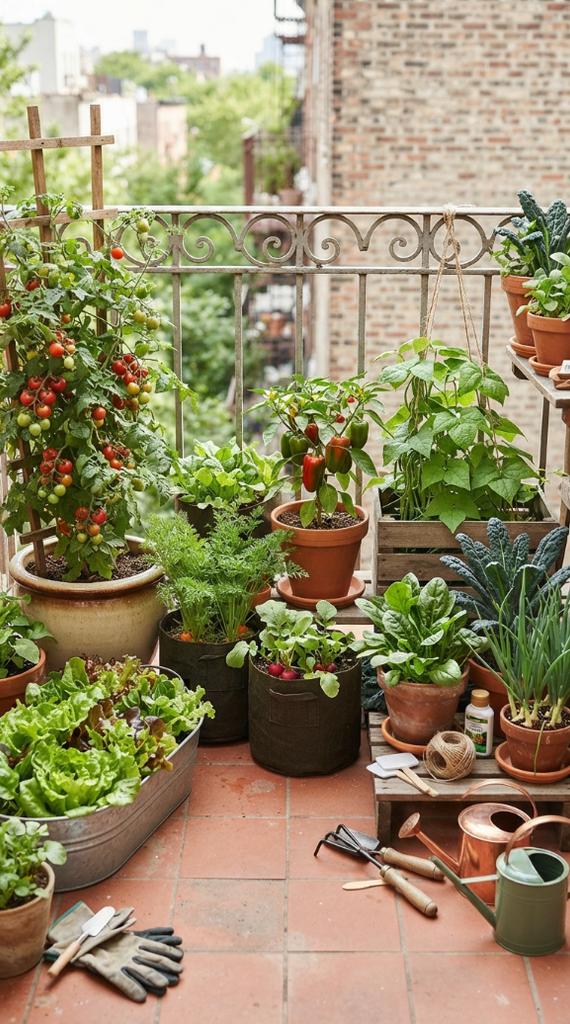
You do not need a big backyard to grow your own food.
You do not even need a traditional garden.
A sunny balcony, patio, porch, rooftop, windowsill, or tiny outdoor corner can be enough to grow an impressive amount of fresh vegetables.
Container gardening is one of the easiest ways to start growing food because you can control the soil, move plants when needed, and make use of spaces that would otherwise go unused.
And the best part?
Many vegetables are actually very happy growing in pots.
The key is choosing the right varieties, using containers that are large enough, and giving plants enough sunlight and water.
Below are 21 vegetables you can grow successfully in containers—even if your gardening space is very small.
1. Tomatoes
Tomatoes are one of the most popular vegetables for container gardens.
Technically they are fruits, but in the garden and kitchen, they are usually treated as vegetables.
They grow especially well in large pots.
Best Types for Containers
Look for compact or determinate varieties such as:
- Patio tomatoes
- Bush tomatoes
- Cherry tomatoes
- Dwarf varieties
Indeterminate tomatoes can also grow in containers, but they usually need larger pots and strong support.
Container Size
Use a container that is at least around 5 gallons for smaller tomato varieties.
Larger varieties often perform better in even bigger containers.
Growing Tips
- Give tomatoes plenty of sunlight
- Use rich, well-draining potting mix
- Add a cage or stake early
- Water consistently
- Feed regularly during the growing season
Quick Tip: Inconsistent watering can contribute to cracked fruit and other tomato problems, so try not to let containers completely dry out.
2. Lettuce
Lettuce is one of the easiest vegetables to grow in pots.
It grows quickly, has relatively shallow roots, and does not require huge containers.
Best Types
You can grow:
- Loose-leaf lettuce
- Romaine
- Butterhead
- Baby lettuce mixes
Loose-leaf types are especially convenient because you can harvest outer leaves while the plant continues growing.
Container Size
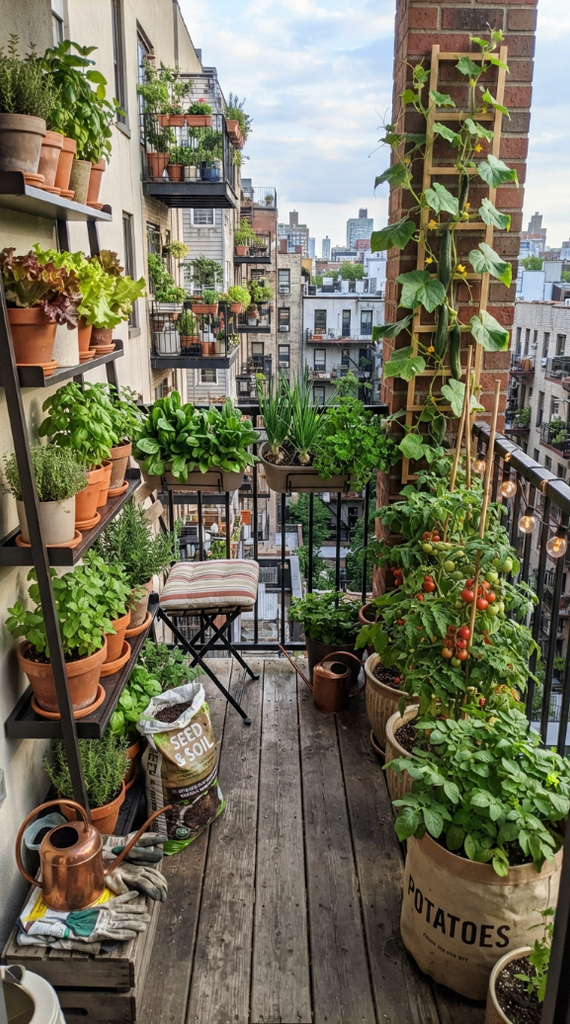
Wide, shallow containers work very well.
You can even grow lettuce in window boxes.
Growing Tips
Keep the soil consistently moist.
Lettuce prefers cooler temperatures, so some afternoon shade can be helpful in hot climates.
3. Radishes
Radishes are ideal for impatient gardeners.
Many varieties can be harvested only a few weeks after planting.
They also take up very little space.
Container Size
Choose a container that is at least several inches deep.
Longer radish varieties may require deeper soil.
Growing Tips
Sow seeds directly into the container.
Keep the soil consistently moist and thin seedlings so roots have enough room to develop.
Why Radishes Are Great for Small Spaces
You can grow them between slower-growing vegetables because they mature quickly.
Harvest them before neighboring plants become large.
4. Carrots
Carrots can grow beautifully in containers if the pot is deep enough.
Container growing can actually make carrots easier because you can provide loose, stone-free soil.
Best Types
Short or round varieties are especially good for pots.
Look for:
- Parisian carrots
- Nantes types
- Short-rooted varieties
Container Size
The pot should be deeper than the expected carrot length.
Growing Tips
Use loose potting soil without large chunks.
Keep the surface moist while seeds germinate.
Thin seedlings carefully so each carrot has space to grow.
Common Mistake: Overcrowded carrots often produce tiny, twisted roots.
5. Peppers
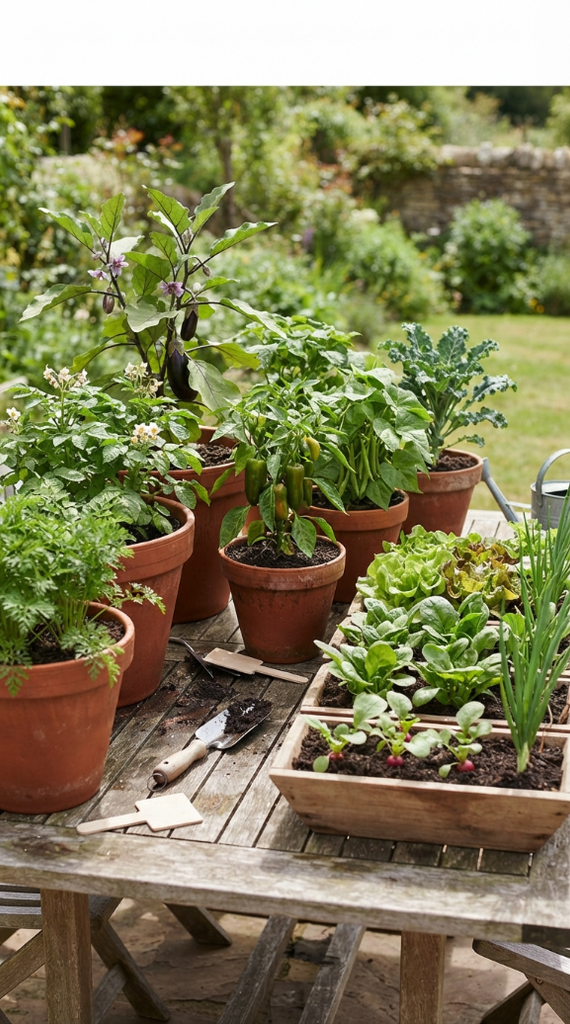
Both sweet peppers and hot peppers can thrive in containers.
They love warm weather and strong sunlight.
Good Choices
Try:
- Bell peppers
- Jalapeños
- Chili peppers
- Banana peppers
- Mini sweet peppers
Container Size
One pepper plant per medium-to-large container usually works well.
Growing Tips
Give peppers plenty of direct sunlight.
Water when the upper soil begins drying, but avoid constantly soggy soil.
Container peppers may benefit from regular feeding during the growing season.
6. Green Onions
Green onions are one of the easiest edible plants to grow in small spaces.
They require very little room and can grow in relatively shallow containers.
Growing Tips
Plant several closely together.
Harvest the green tops as needed.
You can also regrow green onions from kitchen scraps by placing the root ends in water temporarily before moving them into soil.
Why They Are Perfect for Beginners
They grow quickly and do not require complicated care.
7. Spinach
Spinach grows very well in containers, especially during cool weather.
It has shallow roots and does not need enormous pots.
Growing Tips
Use a wide container.
Keep the soil evenly moist.
Harvest outer leaves regularly.
Spinach tends to bolt when temperatures become hot, so grow it during cooler months when possible.
8. Kale
Kale is surprisingly well suited to container gardening.
It can tolerate cooler temperatures and continues producing leaves for a long time.
Container Size
Use a medium-to-large pot for each mature plant.
Several baby kale plants can be grown together in wider containers.
Growing Tips
Give kale good sunlight and consistent moisture.
Harvest the oldest lower leaves first.
Leave the center growing point intact so the plant keeps producing.
9. Swiss Chard
Swiss chard is both edible and beautiful.
Brightly colored stems make it attractive enough for ornamental container gardens.
Why It Works in Pots
Chard is productive for a long period and tolerates repeated harvesting.
Growing Tips
Choose a reasonably deep container.
Harvest outer leaves and allow the center leaves to continue growing.
Keep soil moist during hot weather.
10. Bush Beans
Bush beans are excellent for pots because they stay relatively compact.
Unlike pole beans, they usually do not require tall trellises.
Container Size
Use a wide container with enough room for several plants.
Growing Tips
Give beans plenty of sunlight.
Avoid overcrowding.
Harvest beans frequently while they are young and tender.
Regular harvesting can encourage continued production.
11. Pole Beans
If your floor space is limited, grow upward.
Pole beans are fantastic for vertical gardening.
What You Need
Use:
- A trellis
- Bamboo poles
- A railing
- A garden net
- A vertical support frame
Growing Tips
Use a reasonably deep container.
Plant beans near the support so vines can climb immediately.
Pole beans can produce a large harvest from a surprisingly small footprint.
12. Cucumbers
Cucumbers can grow very successfully in containers if they receive plenty of sunlight and water.
Compact varieties are especially useful.
Best Types
Look for:
- Bush cucumbers
- Patio varieties
- Mini cucumbers
- Pickling cucumbers
Vining varieties can be trained vertically.
Container Size
Use a large pot.
Cucumbers grow quickly and need plenty of root space.
Growing Tips
Provide a trellis.
Water consistently because containers dry quickly during hot weather.
Harvest fruits frequently so the plant continues producing.
13. Zucchini
Yes, you can grow zucchini in a container.
But this is one vegetable where pot size really matters.
Zucchini plants can become enormous.
Container Size
Use a very large container for one plant.
Growing Tips
Choose compact varieties if possible.
Give the plant full sun, fertile soil, and consistent watering.
Make sure there is enough airflow around the leaves.
A Warning
One healthy zucchini plant can produce a surprising amount of food.
You probably do not need six.
Unless you want to become the person leaving zucchini on everyone’s doorstep.
14. Eggplant
Eggplants grow beautifully in pots, especially compact varieties.
They enjoy warm temperatures and plenty of sunlight.
Container Size
Use a large container for each plant.
Growing Tips
Provide strong sunlight.
Use fertile, well-draining soil.
Stake plants if fruits become heavy.
Keep watering consistent.
Smaller-fruited varieties are often easier for container gardeners.
15. Beets
Beets give you two crops from one plant.
You can eat both the roots and the leaves.
Container Size
Use a container deep enough for the roots to develop.
Growing Tips
Sow seeds directly.
Thin seedlings after they emerge.
Young beet greens can be harvested lightly while roots continue developing.
Keep soil consistently moist for tender roots.
16. Peas
Peas are excellent container vegetables for cool weather.
They grow quickly and can climb vertically.
Best Types
Choose:
- Dwarf peas
- Snap peas
- Snow peas
- Compact climbing peas
Growing Tips
Provide a small trellis or support.
Keep soil moist.
Plant during cool weather because peas often struggle during intense summer heat.
17. Potatoes
Potatoes are surprisingly fun to grow in containers.
You can use large pots, grow bags, or specialized potato planters.
How It Works
Plant seed potatoes near the bottom of the container.
As the plants grow, gradually add more soil around the stems.
Container Size
Use a deep container with good drainage.
Growing Tips
Do not overcrowd the pot.
Water consistently.
When foliage begins dying back, the potatoes are approaching harvest time.
Why Grow Potatoes in Containers?
Harvesting is easy.
Instead of digging through a garden bed, you can simply empty the container and search through the soil.
18. Garlic
Garlic can grow very well in containers.
It requires patience, but the process is simple.
How to Plant
Separate a garlic bulb into individual cloves.
Plant each clove pointed side upward.
Container Size
Choose a pot deep enough for root development and wide enough to space cloves apart.
Growing Tips
Garlic is often planted in fall and harvested the following year.
It prefers good drainage and plenty of sunlight.
19. Bok Choy
Bok choy is an excellent choice for small-space gardeners.
Baby varieties are especially container-friendly.
Growing Tips
Use wide containers.
Keep the soil moist.
Grow during cool weather for the best quality.
Harvest entire small heads or remove outer leaves gradually.
20. Turnips
Turnips are another vegetable where both the roots and greens are edible.
They mature relatively quickly and are easy to grow in pots.
Container Size
Use a container deep enough for root development.
Growing Tips
Sow directly.
Thin seedlings early.
Keep watering consistent.
Harvest younger turnips for a milder flavor and more tender texture.
21. Arugula
Arugula is one of the fastest and easiest greens for containers.
It grows well in shallow pots and window boxes.
Growing Tips
Sow seeds densely for baby leaves or farther apart for mature plants.
Harvest leaves frequently.
Arugula prefers cooler weather and may bolt quickly during heat.
Bonus
The flowers are edible too.
How Much Sun Do Container Vegetables Need?
Sunlight is one of the most important factors in container gardening.
Vegetables That Usually Want Lots of Sun
These generally perform best with strong sunlight:
- Tomatoes
- Peppers
- Eggplants
- Cucumbers
- Beans
- Zucchini
Vegetables That Can Handle Less Sun
Leafy greens are more forgiving.
Examples include:
- Lettuce
- Spinach
- Kale
- Swiss chard
- Arugula
- Bok choy
If your balcony receives only a few hours of sun, focus more heavily on leafy vegetables.
Choosing the Right Container
Almost anything can become a vegetable container if it is safe, large enough, and has drainage.
Options include:
- Traditional pots
- Grow bags
- Buckets
- Window boxes
- Wooden planters
- Raised containers
- Fabric planters
The Most Important Rule
Every container needs drainage.
Without drainage holes, excess water can collect around the roots and cause problems.
Does Container Size Really Matter?
Yes.
A tiny seedling may look perfectly comfortable in a small pot, but vegetables grow quickly.
Larger containers have several advantages.
They:
- Hold more moisture
- Provide more root space
- Stay cooler during hot weather
- Require less frequent watering
- Support larger plants
When in doubt, choose a slightly larger pot.
The Best Soil for Growing Vegetables in Pots
Do not simply dig heavy soil from your backyard and fill your containers.
Garden soil can become dense and compacted inside pots.
Use a quality potting mix designed for containers.
A good mix should:
- Drain excess water
- Retain enough moisture
- Allow air around roots
- Be loose and lightweight
You can mix in compost for additional organic matter.
Why Container Vegetables Need More Water
Plants growing in the ground can send roots deeper to find moisture.
Container plants cannot.
Their entire root system is trapped inside a limited amount of soil.
During warm weather, pots can dry extremely quickly.
Check Containers Regularly
Push your finger an inch or two into the soil.
If it feels dry, water thoroughly.
Continue watering until excess water drains from the bottom.
Summer Tip: Small containers and hanging baskets may need checking every day during very hot weather.
Do Container Vegetables Need Fertilizer?
Usually, yes.
Every time you water, a small amount of nutrients can wash out through drainage holes.
Vegetables also use nutrients quickly while producing leaves, roots, flowers, and fruit.
Use compost and an appropriate vegetable fertilizer according to label directions.
Avoid excessive fertilizer.
Too much can burn roots or create lots of leaves without much food production.
Grow Up Instead of Out
If your gardening space is tiny, vertical gardening can dramatically increase what you can grow.
Use trellises for:
- Cucumbers
- Pole beans
- Peas
- Some tomatoes
Vertical growing also improves airflow and makes harvesting easier.
A balcony railing can sometimes become valuable growing space when used safely.
Try Succession Planting
One container does not have to grow only one crop all year.
For example:
Early Spring
Grow radishes.
Late Spring
Replace them with peppers.
Fall
After the peppers finish, plant spinach.
This allows one pot to produce food during multiple seasons.
Combine Compatible Vegetables
Large containers can sometimes hold more than one crop.
For example:
Tomato + Basil
Plant basil around the edge of a large tomato pot.
Cucumber + Lettuce
Train cucumber upward and grow lettuce near the base early in the season.
Peppers + Green Onions
Green onions use little space and can grow around larger pepper plants.
Just avoid overcrowding.
Companion planting only helps when every plant still has enough soil, water, light, and root space.
5 Common Container Gardening Mistakes
1. Using Pots That Are Too Small
Small pots dry quickly and restrict roots.
2. Forgetting Drainage Holes
Standing water can damage roots.
3. Overcrowding
More plants do not always mean more food.
4. Letting Pots Dry Completely
Some vegetables become stressed very quickly.
5. Growing Sun-Loving Vegetables in Deep Shade
A tomato plant cannot produce heavily without enough light.
Best Vegetables for Absolute Beginners
If you have never grown food before, start simple.
Try:
- Lettuce
- Radishes
- Green onions
- Arugula
- Bush beans
- Peppers
These can provide fairly quick results without requiring complicated training or pruning.
Best Vegetables for a Balcony
For balcony gardens, choose productive plants that make good use of vertical space.
Great options include:
- Cherry tomatoes
- Peppers
- Lettuce
- Cucumbers
- Pole beans
- Herbs
- Radishes
- Green onions
Use railings and trellises carefully to maximize space.
Make sure containers are secure, especially on higher floors where wind can be strong.
Best Vegetables for a Small Patio
A patio gives you more room for larger containers.
Consider growing:
- Tomatoes
- Zucchini
- Potatoes
- Eggplant
- Cucumbers
- Peppers
- Beans
Place taller plants toward the back so they do not shade smaller containers.
A Simple Tiny-Space Vegetable Garden Setup
If you only have room for five containers, try this:
Pot 1
Cherry tomato
Pot 2
Pepper plant
Pot 3
Lettuce and radishes
Pot 4
Cucumber with a trellis
Pot 5
Green onions and herbs
That tiny setup can provide several different fresh foods throughout the growing season.
How to Get Bigger Harvests From Pots
Growing vegetables in containers is not just about keeping plants alive.
You want them productive.
For bigger harvests:
- Give plants enough sunlight
- Use appropriately sized containers
- Start with good potting soil
- Water consistently
- Feed when needed
- Harvest frequently
- Remove diseased foliage
- Support climbing plants
- Avoid overcrowding
Small spaces can be incredibly productive when every container is used well.
Final Thoughts
A tiny outdoor space does not have to stop you from growing food.
You can grow lettuce in a window box.
Tomatoes in a bucket.
Potatoes in a grow bag.
Beans on a balcony trellis.
Radishes in a shallow planter.
Peppers beside your front door.
Container gardening turns patios, porches, balconies, rooftops, and even small sunny corners into miniature vegetable gardens.
Start with two or three easy crops.
Learn how quickly your containers dry.
Pay attention to sunlight.
And expand from there.
Before long, that tiny space may be producing far more fresh food than you expected.