
18 Cheap Garden Hacks That Actually Work and Save You Money
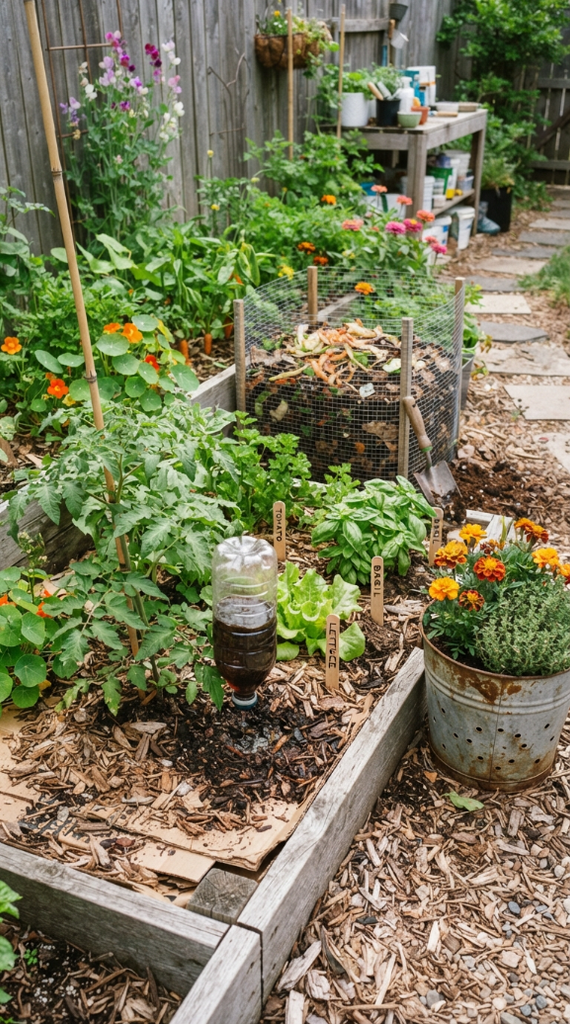
Gardening can get expensive fast.
A few bags of soil, new pots, fertilizer, plant supports, seed trays, mulch, tools, and irrigation supplies can easily turn a “cheap hobby” into a surprisingly costly one.
But here is the good news:
You do not need to buy everything new.
Some of the most useful garden supplies are already sitting in your kitchen, recycling bin, garage, or backyard.
The best garden hacks are not gimmicks. They are simple ways to reuse materials, reduce waste, stretch your budget, and make everyday garden jobs easier.
Below are 18 cheap gardening hacks that actually work and can save you money season after season.
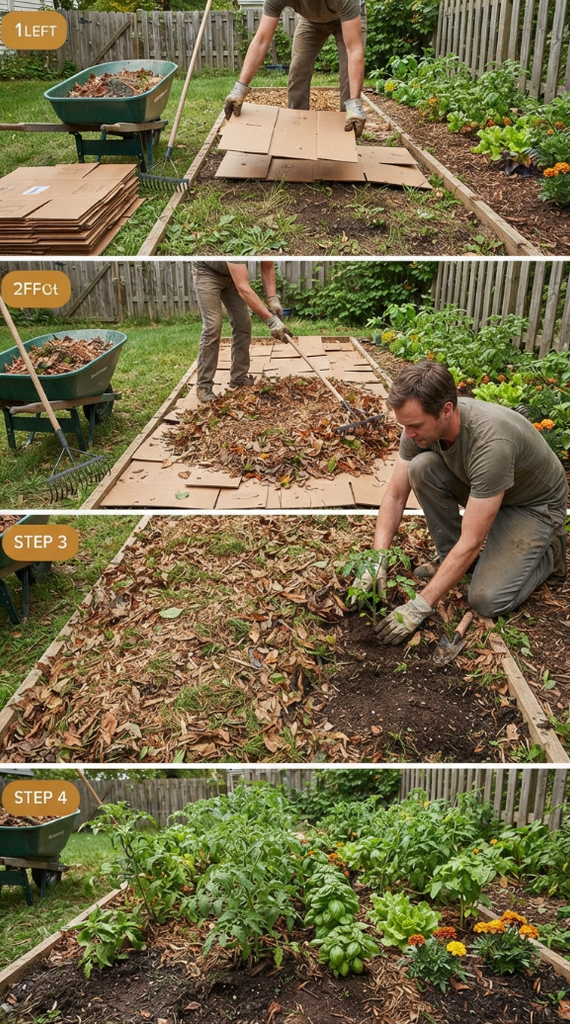
1. Use Cardboard to Suppress Weeds
Cardboard is one of the cheapest weed-control materials you can use because it is often completely free.
How It Works
Lay plain cardboard over weedy soil, overlap the edges, wet it down, and cover it with mulch.
The cardboard blocks sunlight and helps smother many weeds underneath.
Over time, it softens and breaks down.
Best Places to Use It
Try it:
- Under new garden paths
- Beneath mulch
- Around shrubs
- In new beds
- Between raised beds
What to Avoid
Remove:
- Plastic tape
- Staples
- Glossy coatings
- Large shipping labels
Plain brown cardboard is usually the easiest material to work with.
Money-Saving Tip: Save shipping boxes instead of buying landscape fabric for every new bed.
2. Make Seed-Starting Pots From Toilet Paper Rolls
Tiny biodegradable seed pots can cost more than they should.
Toilet paper rolls work surprisingly well for starting certain seedlings.
How to Make Them
Cut each roll in half if you want smaller pots.
Place them upright in a waterproof tray, fill with seed-starting mix, and sow your seeds.
When planting time arrives, the cardboard can soften in the soil.
Best For
They work well for seedlings that will not stay indoors too long.
Examples include:
- Beans
- Peas
- Sunflowers
- Cucumbers
Important
If the cardboard is still thick at planting time, tear or loosen it so roots can spread easily.
3. Turn Milk Jugs Into Mini Greenhouses
Plastic milk jugs can become simple protective covers for seedlings.
How It Works
Cut the bottom off the jug and place it over a young plant.
Leave the cap off during warmer weather to provide ventilation.
The jug helps create a slightly protected environment around the seedling.
Why It Saves Money
You can reduce the need for:
- Commercial cloches
- Plastic plant covers
- Mini greenhouse kits
Best Uses
Use them to protect young plants from:
- Cool nights
- Wind
- Light weather stress
Remove them when temperatures rise significantly.
4. Use Egg Cartons for Seed Starting
Paper egg cartons can work as temporary seed-starting trays.
How to Use Them
Fill each compartment with seed-starting mix.
Plant one or two seeds in each section.
Place the carton on a waterproof tray.
Best For
Use them for plants that will be transplanted fairly quickly.
The compartments are small, so seedlings should not remain in them too long.
Why It Works
It is a simple way to start a small number of seeds without buying plastic cell trays.
Watch Out: Paper cartons dry out quickly, so check moisture often.
5. Regrow Green Onions From Kitchen Scraps
This is one of the easiest ways to get a second harvest from something you already bought.
How to Do It
After using the green tops, leave about an inch or two of the white base with the roots attached.
Place the root ends in a shallow glass of water.
Keep the roots submerged but avoid covering the entire bulb.
New green growth will begin appearing.
For Better Long-Term Growth
Move the onions into potting soil after they regrow.
They usually perform better in soil than permanently sitting in water.
6. Save Seeds From Easy Crops
Buying seeds is not usually the biggest garden expense, but saving your own can still reduce costs.
Some plants are especially easy for beginner seed savers.
Try saving seeds from:
- Beans
- Peas
- Lettuce
- Tomatoes
- Peppers
- Marigolds
- Zinnias
Important
Seed saving works best with open-pollinated or heirloom varieties.
Seeds from hybrids may not produce plants identical to the parent.
Basic Method
Let seeds mature fully.
Collect them on a dry day.
Allow them to dry thoroughly before storing.
Keep them somewhere cool and dry.
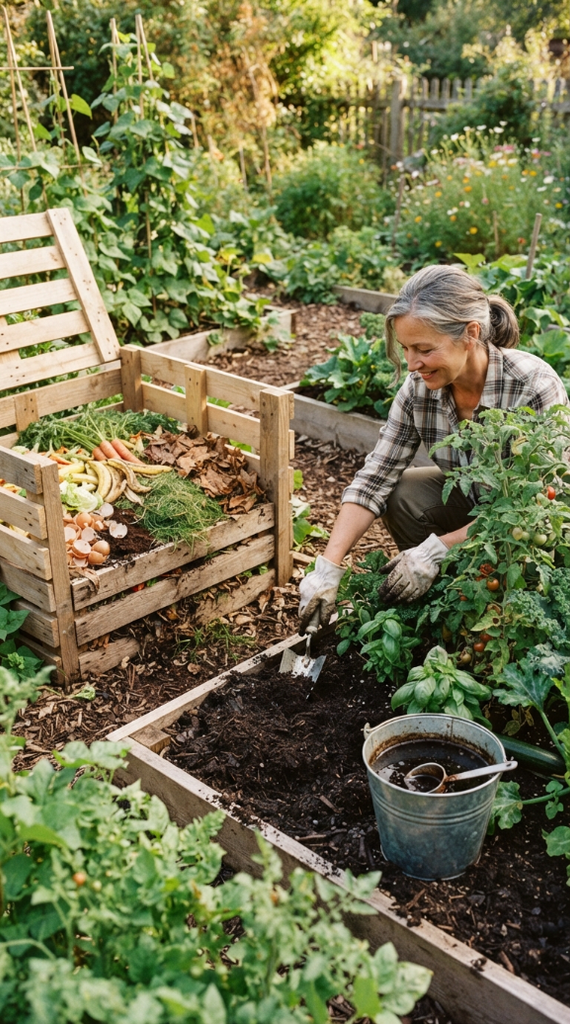
7. Make Compost Instead of Buying It
Buying compost every season can become expensive, especially if you have multiple beds.
A home compost pile turns waste into valuable organic matter.
Add Materials Such As
Greens
- Vegetable scraps
- Coffee grounds
- Fresh grass clippings
- Plant trimmings
Browns
- Dry leaves
- Shredded cardboard
- Paper
- Dry stems
Why Compost Saves Money
You reduce:
- Trash
- Soil amendment costs
- Fertilizer needs
- Organic waste
It also improves soil structure and moisture retention.
8. Use Fallen Leaves as Free Mulch
Autumn leaves are essentially free garden material falling from the sky.
Do not automatically throw them away.
How to Use Them
Shred dry leaves with a lawn mower or leaf shredder.
Spread them around:
- Shrubs
- Trees
- Perennials
- Vegetable beds
Why Shredding Helps
Whole leaves can form thick mats.
Shredded leaves break down faster and stay in place more easily.
Bonus
As they decompose, they add organic matter to the soil.
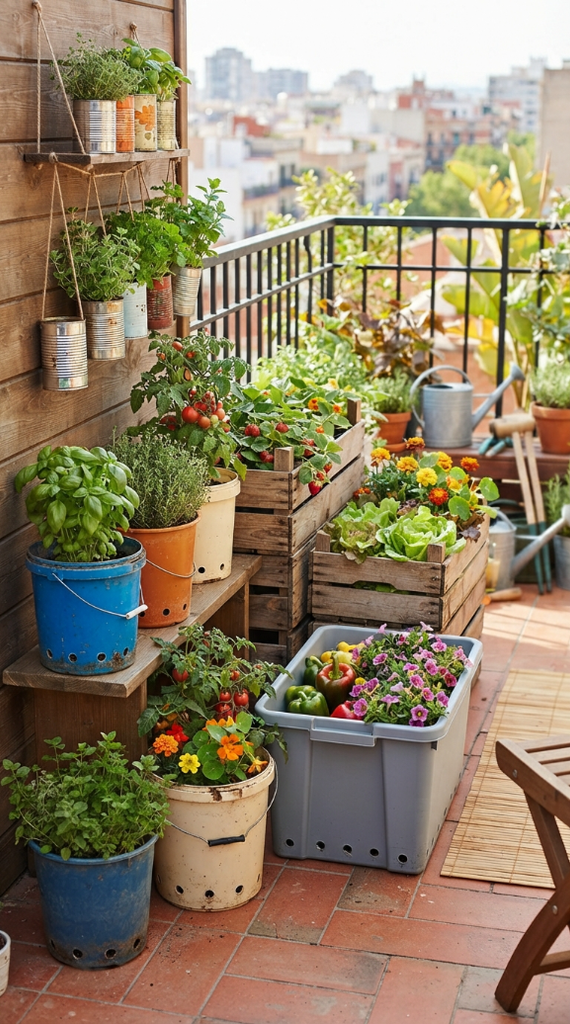
9. Turn Old Buckets Into Planters
Before buying expensive decorative containers, check whether you already have large food-safe buckets.
Many can become excellent planters.
How to Prepare Them
Drill several drainage holes in the bottom.
Fill with quality potting mix.
Plant vegetables or flowers.
Great Crops for Buckets
Try:
- Tomatoes
- Peppers
- Potatoes
- Herbs
- Lettuce
Important
Avoid containers that previously held hazardous chemicals.
Food-grade buckets are a safer choice.
10. Use Sticks and Branches as Plant Supports
Garden stakes and trellises can be surprisingly expensive.
Straight branches can often do the same job.
Use Them For
- Peas
- Beans
- Young tomatoes
- Flower stems
- Climbing vines
Simple Twig Trellis
Push several sturdy branches into the soil and tie the tops together.
Smaller twigs can be woven across them.
You now have a rustic climbing frame that costs almost nothing.
11. Make Plant Labels From Old Containers
Plastic plant labels are cheap individually, but they disappear constantly.
You can make your own from recycled materials.
Ideas Include
Cut strips from:
- Yogurt containers
- Plastic lids
- Old blinds
- Food containers
Write on them with a waterproof marker.
Alternative
Paint small stones and write plant names on them.
These can last for years.
12. Collect Rainwater
If local rules allow it, rainwater collection can reduce garden water use.
How It Helps
Rainwater can be used for:
- Containers
- Flower beds
- Vegetable gardens
- Newly planted shrubs
Simple Setup
A rain barrel connected to a downspout can collect a surprising amount of water.
Keep the barrel covered to reduce:
- Mosquito breeding
- Debris
- Algae
- Safety risks
Money Benefit
During dry periods, stored rainwater can reduce how much treated tap water you use outdoors.
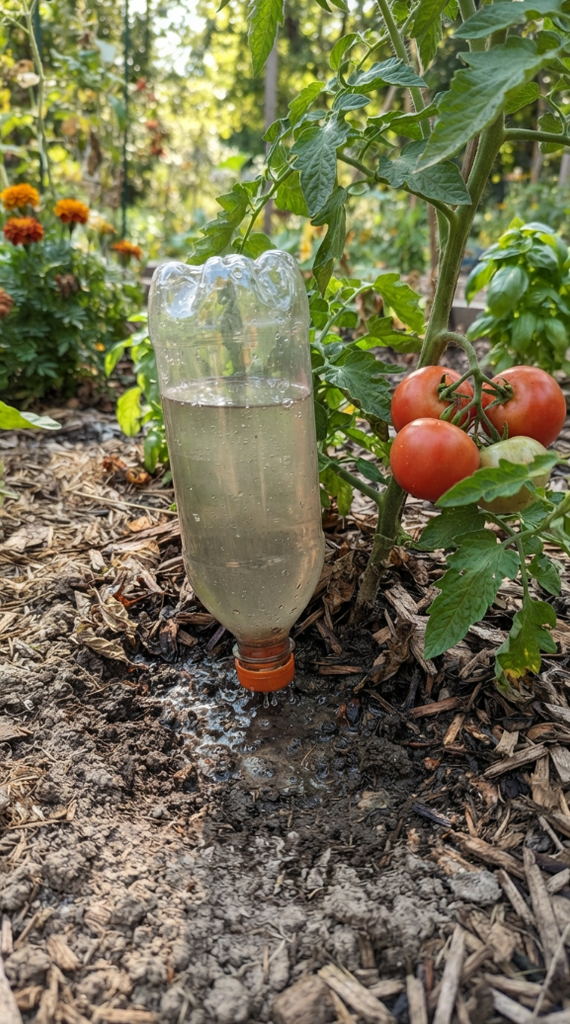
13. Use a Plastic Bottle for Slow Watering
You do not always need expensive drip irrigation for individual plants.
A reused plastic bottle can provide simple slow watering.
Basic Method
Make a few tiny holes near the bottom of a bottle.
Bury part of it beside the plant.
Fill it with water.
Water slowly seeps into the surrounding soil.
Best For
This can be useful around:
- Tomatoes
- Cucumbers
- Large container plants
- Newly planted shrubs
Important
The holes should be small enough that the bottle does not empty instantly.
14. Propagate Plants Instead of Buying More
Many plants can be multiplied from cuttings, divisions, or runners.
That means one plant can eventually become several.
Easy Plants to Propagate
Depending on the plant, you may be able to multiply:
- Mint
- Basil
- Rosemary
- Coleus
- Pothos
- Geraniums
- Strawberries
- Succulents
Why It Saves Money
Instead of buying five plants, buy one healthy plant and multiply it over time.
This is especially useful for:
- Filling borders
- Making container displays
- Sharing plants
- Creating matching garden areas
15. Divide Perennials Instead of Buying New Ones
Many established perennials become larger every year.
Eventually, one mature plant can be divided into several smaller plants.
Common Candidates
Depending on species, examples include:
- Hostas
- Daylilies
- Irises
- Sedums
- Ornamental grasses
How It Saves Money
You can fill empty garden spaces using plants you already own.
You can also swap divisions with friends or neighbors.
Timing Matters
Some plants prefer spring division while others respond better in fall.
Check the needs of the specific plant before dividing.
16. Use Kitchen Scraps Wisely
Not every kitchen scrap should be buried directly in the garden.
But some can be useful when handled properly.
Coffee Grounds
Used coffee grounds can be added in modest amounts to compost.
Vegetable Scraps
Add them to your compost bin rather than throwing them away.
Crushed Eggshells
Eggshells break down slowly but can be added to compost.
Grinding them first helps them break down faster.
Skip the Internet Myths
Do not expect one kitchen ingredient to magically solve every soil problem.
Kitchen scraps are most reliable when used as part of a balanced compost system.
17. Start With Smaller Plants
Garden centers often charge significantly more for mature plants.
But small plants can catch up surprisingly quickly.
Example
Instead of buying a large expensive perennial, shrub, or herb, choose a healthy smaller version.
Plant it correctly and give it time.
Within a season or two, the size difference may become much less noticeable.
When This Makes Sense
This is especially useful when you are:
- Planting many of the same species
- Creating a large border
- Filling a new yard
- Working with a limited budget
Patience can save a lot of money.
18. Swap Plants and Seeds Instead of Buying Everything
One gardener’s extra seedlings are another gardener’s free plants.
Plant swaps can dramatically expand a garden at almost no cost.
Things You Can Swap
- Seeds
- Seedlings
- Perennial divisions
- Cuttings
- Bulbs
- Extra pots
- Garden supplies
Where to Find Swaps
Look for:
- Neighborhood groups
- Community gardens
- Local gardening clubs
- School gardening groups
- Friends and family
A few good swaps can fill an entire bed.
Bonus Hack: Use Newspaper Under Mulch
Cardboard works well for large areas, but newspaper can be useful around smaller spaces.
Layer several sheets over the soil, wet them, and cover with mulch.
The paper can help suppress small weeds while it breaks down.
Avoid glossy advertising pages.
Bonus Hack: Buy Plants at the End of the Season
Garden centers often discount plants when peak planting season ends.
Some plants may look tired but still be perfectly healthy.
What to Look For
Choose plants with:
- Healthy roots
- Firm stems
- No major pest infestations
- No serious disease
A plant with faded flowers may simply be finished blooming for the season.
That does not necessarily mean it is unhealthy.
Avoid
Do not buy a bargain plant if the roots are badly rotted or the plant is heavily diseased.
Cheap is not cheap if it introduces problems into your garden.
The Garden Supplies You Probably Do Not Need
Gardening stores are full of products that promise better results.
Some are useful.
Many are optional.
Before buying something, ask:
Can something I already own do the same job?
You may not need:
- Expensive plant labels
- Fancy seed trays
- Decorative watering gadgets
- New stakes every season
- Premium mulch for every bed
- Specialty containers for every crop
Spend money where it makes the biggest difference.
Usually that means:
- Healthy plants
- Quality seeds
- Good soil
- Reliable tools
- Proper irrigation
Cheap Gardening Does Not Mean Bad Gardening
A low-budget garden can be incredibly productive.
Plants do not care whether their support cost $40 or came from a fallen branch.
They care about:
- Light
- Water
- Soil
- Nutrients
- Space
- Temperature
A recycled bucket with good soil can grow better vegetables than an expensive decorative pot with poor drainage.
Focus your budget on what plants actually need.
5 Garden Items Worth Reusing
Before throwing something away, consider whether it could become:
A Pot
Buckets and sturdy containers.
A Plant Label
Plastic lids and old containers.
A Trellis
Branches, bamboo, or leftover wood.
A Seed Tray
Food containers and egg cartons.
A Mulch Material
Leaves, shredded cardboard, and garden debris where appropriate.
One person’s trash can genuinely become next season’s garden supplies.
Where You Should Not Cut Costs
Saving money is useful, but some shortcuts can create bigger problems later.
Be careful about saving money on:
Contaminated Soil
Do not fill edible gardens with unknown soil that may contain pollutants.
Unsafe Containers
Avoid containers previously used for toxic chemicals.
Diseased Plants
A bargain plant with disease can infect healthy plants.
Poor-Quality Seeds
Old or badly stored seed may have poor germination.
Bad Tools
You do not need luxury tools, but a few durable basics are worth buying.
A Cheap Beginner Garden Setup
You can start a productive garden with very little equipment.
You really only need:
- A sunny location
- A few containers or a small bed
- Potting mix or improved soil
- Seeds or seedlings
- Water
- A basic hand tool
Then reuse materials for everything else.
For example:
Use branches as stakes.
Use cardboard under mulch.
Use leaves as mulch.
Use containers as seed trays.
Save seeds for next season.
Gardening becomes much cheaper once you stop treating every problem as something that requires a new product.
The Best Money-Saving Habit: Grow What You Actually Eat
This sounds obvious, but it is one of the most important gardening tips.
Growing 20 pounds of vegetables nobody in your family likes does not save money.
Grow things you frequently buy.
That might include:
- Tomatoes
- Lettuce
- Herbs
- Peppers
- Green onions
- Beans
- Cucumbers
Fresh herbs are especially useful because small quantities can be surprisingly expensive at the grocery store.
A few herb plants can produce for months.
Start Small Before Spending Big
One of the most expensive gardening mistakes is building a huge garden during the first year.
Start with a few beds or containers.
Learn:
- What grows well in your climate
- How much you actually enjoy maintaining
- How often you need to water
- Which pests are common
- What your family uses
Then expand.
A small productive garden is better than a giant neglected one.
Final Thoughts
A beautiful, productive garden does not need an enormous budget.
In fact, many of the best gardening materials are free.
Cardboard suppresses weeds.
Leaves become mulch.
Kitchen waste becomes compost.
Buckets become planters.
Branches become trellises.
Seeds become next year’s plants.
And one perennial can eventually become five.
The biggest money-saving garden hack is simply learning to use what you already have.
Before buying another garden product, look around your home and ask:
Can I reuse something instead?
Very often, the answer is yes.
And that means more money stays in your pocket while your garden keeps growing.