
Smart Bedroom Upgrades for Better Thermal Comfort and Energy Efficiency
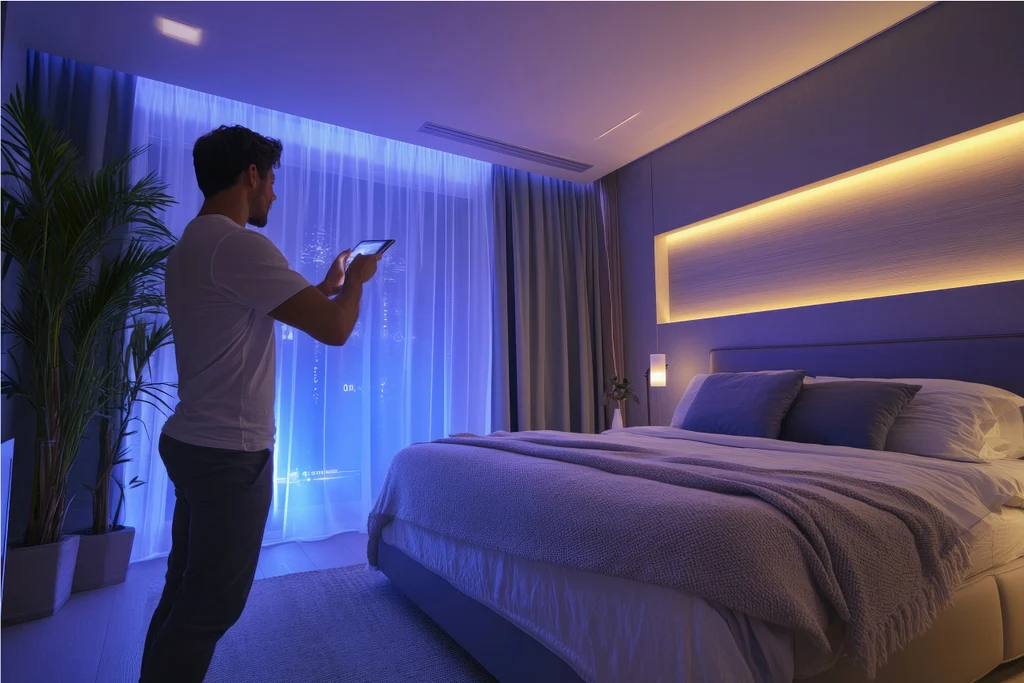
Heating and cooling appliances account for approximately 40 percent of total household energy use in Australia. With average household electricity prices climbing to AU$0.389 per kilowatt-hour by mid-2025, it is no surprise that millions of homeowners are actively looking for ways to cut their utility bills and reduce their environmental impact. A recent national consumer data analysis revealed that 72 percent of Australians took deliberate action to reduce their summer air conditioning usage, often seeking alternative ways to stay comfortable during extreme weather events. The bedroom is one of the most important spaces to target because humans spend a third of their lives sleeping. By combining structural home improvements with smart interior updates, you can achieve optimal thermal comfort without relying entirely on artificial climate control.
The Science of the Sleep Microclimate
Sleep scientists often refer to the space between the human body and the bedding as the “sleep microclimate.” Maintaining a careful balance of insulation, breathability, and moisture control in this immediate thermal environment is essential for uninterrupted rest. During deep sleep cycles, the human core body temperature naturally drops, while skin temperature adjusts to release excess heat into the surrounding environment. According to UT Health San Antonio, the ideal room temperature for sleep is 60 to 67 degrees Fahrenheit, because a cooler environment is biologically necessary for the brain and body to maintain proper circadian sleep rhythms. Heavy, unbreathable fabrics trap excess heat over the course of the night, leading to increased wakefulness, night sweats, and a marked reduction in restorative deep sleep.
Climate-Adaptive Bedding and Textiles
Upgrading your bedroom textiles is a highly effective, passive way to regulate this microclimate and improve overall sleep quality. Many homeowners mistakenly equate heavy, dense bedding with better insulation, assuming it will keep them warmer on cold nights. However, sleep science shows that lightweight, highly permeable covers prevent the body from expending excess energy to restore thermal balance. Choosing breathable options like premium coverlet sets in Australia creates a stable, adaptable thermal buffer for the sleeper. This ensures that even if ambient bedroom temperatures fluctuate due to reduced overnight air conditioning usage, the localised microclimate remains within a medically optimal range. Highly breathable textiles facilitate necessary biological heat dissipation without causing the sleeper to feel a chill. A controlled study even demonstrated that participants using cooling bed linens could sleep comfortably with the air conditioning set three degrees warmer, achieving a 39 percent reduction in cooling energy consumption overnight.
Assessing and Optimising Household HVAC Systems
While passive cooling and smart textiles form a great foundation for any sleep space, the mechanical infrastructure of your home remains a vital piece of the overall comfort puzzle. When upgrading your home infrastructure, it is incredibly important to evaluate the long-term running costs of your climate control units. For a comprehensive breakdown of options like ducted heat pumps and evaporative coolers, reviewing a guide on cost-effective home heating and cooling can help you compare energy efficiency and environmental footprints. Pairing these highly efficient mechanical systems with climate-adaptive bedroom design means you can run your systems on lower, eco-friendly settings, maximising comfort without overworking the machinery. Under the recently updated National Construction Code, newer homes are already required to meet a minimum 7-star thermal performance rating, but older homes can still benefit immensely from targeted appliance upgrades, improved ductwork, and better zone management.
Practical Steps for a Thermal-Efficient Bedroom
Beyond bedding and HVAC upgrades, a few structural and behavioural changes can significantly improve a bedroom’s thermal performance. Implementing these simple yet effective changes helps lock in the benefits of your climate control systems.
- Improve structural insulation: Upgrading wall and ceiling insulation stops unwanted heat transfer, effectively keeping the bedroom cooler in the peak of summer and much warmer in the depths of winter.
- Install smart window treatments: High-quality blockout blinds or layered thermal curtains minimise solar heat gain during peak afternoon hours and provide an extra barrier against cold windowpanes at night.
- Utilise strategic cross-ventilation: Positioning windows or opening specific vents to capture evening breezes naturally flushes hot, stale air out of the room before bedtime.
- Upgrade to zoned air conditioning: Using zoned duct systems allows you to cool or heat only the occupied bedrooms at night, rather than wasting valuable electricity climate-controlling an entire empty house.
Creating a bedroom that promotes both deep, restorative sleep and robust energy efficiency requires a multi-layered approach. By understanding the underlying biology of sleep, upgrading your home infrastructure to modern standards, and meticulously selecting climate-adaptive textiles, you can significantly lower your household carbon footprint. Ultimately, these smart, future-proof upgrades translate to substantially lower electricity bills and much better rest for the whole family.