
How Wooden Lighting Can Add Warmth and Character to Modern Interiors
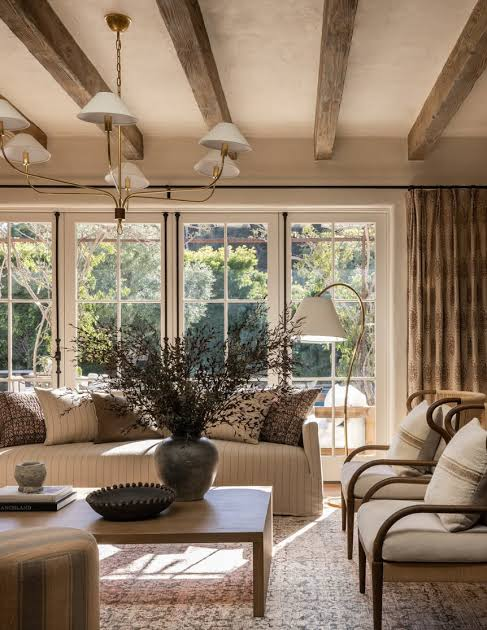
Modern interiors are often associated with clean lines, neutral colours, open spaces, and minimal decoration. While this approach can create an elegant and sophisticated home, spaces that rely too heavily on glass, metal, concrete, and plain surfaces can sometimes feel cold.
One of the easiest ways to bring warmth back into a contemporary interior is through natural materials.
Wood has always played an important role in furniture and architecture, but designers are increasingly using it in unexpected areas of the home. One particularly interesting trend is wooden lighting, where natural timber becomes part of the lighting fixture itself.
From sculptural pendant lights to understated wall lamps, wooden lighting can provide illumination while also introducing texture, character, and craftsmanship into a room.
Why Wood Works So Well in Contemporary Homes
Wood has a visual quality that is difficult to reproduce with synthetic materials.
Every piece contains natural grain patterns, subtle colour variations, and textures that give it an individual appearance. This makes wooden objects especially useful in minimalist interiors where a small number of carefully selected materials need to create visual interest.
Wood also combines easily with many popular interior materials, including:
- Concrete
- Marble
- Glass
- Metal
- Linen
- Natural stone
- Neutral-coloured fabrics
For example, a wooden lamp can soften the appearance of a concrete wall, while a timber pendant can introduce warmth above a white or marble kitchen counter.
This balance between modern simplicity and natural texture is one reason wooden lighting has become increasingly attractive for contemporary homes.
Use Pendant Lighting as a Focal Point
Some lighting should disappear quietly into the background, while other fixtures can become an important part of the room’s design.
Pendant lights are particularly effective as statement pieces because they hang within the visual field instead of remaining close to the ceiling.
They work especially well above:
- Dining tables
- Kitchen islands
- Breakfast counters
- Staircases
- Entrance spaces
- Reading areas
Wood is a particularly interesting material for pendant lighting because the fixture can remain visually striking without looking excessively decorative.
A simple timber design can complement Scandinavian, contemporary, Japandi, rustic, and minimalist interiors.
Homeowners looking for examples of this approach can explore collections of handcrafted wooden lighting that combine natural timber with contemporary forms.
The important factor is choosing a pendant that suits the proportions of the room rather than simply selecting the largest or most decorative design available.
Create Layers Instead of Using One Bright Light
A common interior-design mistake is relying entirely on one central ceiling fixture.
Although a single bright light may provide enough illumination, it rarely creates the most comfortable atmosphere.
A better approach is known as layered lighting.
This usually combines three types of illumination.
Ambient Lighting
This provides general brightness throughout the room.
Ceiling fixtures, pendant lights, and recessed lighting are commonly used for this purpose.
Task Lighting
Task lighting focuses light where a particular activity takes place.
Examples include a bedside reading lamp, a desk lamp, or lighting above a kitchen worktop.
Accent Lighting
Accent lighting is primarily used to create atmosphere or highlight architectural and decorative features.
Wall lights, small lamps, and directional fixtures can all serve this purpose.
Using several light sources gives homeowners much greater control over how a room feels throughout the day.
Add Wooden Wall Lighting to Smaller Spaces
Wall-mounted lights are particularly useful in rooms where available space is limited.
Bedrooms, hallways, small apartments, and reading corners may not always have enough room for additional tables or floor lamps. Wall-mounted fixtures provide illumination without occupying valuable floor space.
They can also become architectural details in their own right.
Modern wooden wall lights can introduce natural grain and warm illumination while maintaining the uncluttered appearance associated with contemporary interiors.
Wall lights are particularly effective:
- Beside beds
- Above side tables
- Along hallways
- Beside mirrors
- Near reading chairs
- On feature walls
When placed carefully, they can also help make large blank walls feel more considered and visually complete.
Make Empty Corners More Inviting with Floor Lamps
Almost every home has at least one corner that feels slightly unfinished.
Adding more furniture is not always the answer.
A tall floor lamp can introduce height, illumination, and visual interest without making the room feel crowded.
Wooden floor lamps work particularly well beside sofas and reading chairs because their natural appearance blends easily with fabric furniture, rugs, plants, and other decorative elements.
They can also provide softer evening illumination when bright ceiling lights are unnecessary.
For living rooms in particular, switching from overhead lighting to a combination of floor and table lamps can dramatically change the atmosphere.
Use Table Lamps for Smaller Areas of Warm Light
Table lamps are one of the simplest ways to improve the atmosphere of a room.
Because they illuminate a relatively small area, they create pools of light that make larger rooms feel more intimate.
Common locations include:
- Bedside tables
- Home office desks
- Console tables
- Bookshelves
- Side tables
- Reading corners
Wooden table lamps can also remain decorative even when switched off.
A carefully shaped timber base provides natural texture during the day, while the lamp creates softer illumination during the evening.
This combination of function and decoration makes table lamps particularly versatile.
Match the Wood Tone with the Interior
Not every wooden fixture needs to have the same colour.
In fact, rooms often look more natural when several complementary wood tones are used instead of trying to match every object perfectly.
However, understanding the basic effect of different finishes can make choosing lighting easier.
Light Wood Tones
Light woods are ideal for Scandinavian, minimalist, and Japandi-inspired interiors.
They combine particularly well with white, cream, beige, and soft grey.
Medium Wood Tones
Medium tones provide more visible warmth while remaining versatile.
They work well with neutral furniture as well as greens, blues, and earth colours.
Dark Wood Tones
Dark timber creates stronger contrast and can make a lighting fixture feel more prominent.
It works especially well against white or light-coloured walls and in more sophisticated interior schemes.
Rather than trying to match furniture exactly, look for colours that complement one another.
Combine Wooden Lighting with Indoor Plants
Wood and greenery naturally work well together.
Indoor plants introduce colour and organic shapes, while timber provides texture and warmth.
Placing a wooden floor lamp close to a large indoor plant, for example, can transform an otherwise unused corner into an attractive feature area.
Pendant lights can also work beautifully in dining rooms containing timber furniture and natural greenery.
This approach is closely connected with biophilic interior design, which focuses on strengthening the visual connection between indoor environments and nature.
You do not need to redesign an entire room to achieve the effect. Even a few carefully selected natural elements can make a noticeable difference.
Choose the Right Light Temperature
The appearance of a lighting fixture is only half of the equation.
The colour temperature of the bulb can significantly influence the atmosphere of the room.
Warm white illumination generally works particularly well with wood because it emphasizes natural brown, amber, and golden tones.
It is often suitable for:
- Bedrooms
- Living rooms
- Dining areas
- Lounges
- Reading spaces
Cooler white lighting may be more suitable for highly functional work areas where visibility is the main priority.
Using dimmable lighting can provide additional flexibility by allowing brightness to change according to the activity and time of day.
Appreciate the Character of Handcrafted Pieces
Another reason homeowners are becoming interested in wooden lighting is the growing appreciation for craftsmanship.
Mass-produced decorative products are designed to look almost identical. Handmade wooden products are naturally different because the grain and appearance of timber vary from one piece to another.
These variations are not necessarily imperfections.
They are part of what gives natural wood its character.
Handcrafted lighting can therefore introduce something that feels more personal into interiors dominated by standardized furniture and manufactured materials.
This does not mean every item in a home needs to be handmade. Even one or two distinctive pieces can provide enough character to change how the space feels.
Keep the Overall Design Balanced
Wooden lighting is most effective when it contributes to the overall interior rather than competing with everything around it.
If the room already contains several dramatic decorative features, a simpler lighting design may work better.
In a minimal room, however, a sculptural wooden pendant or floor lamp can become the main visual feature.
The goal is balance.
Lighting should complement furniture, materials, colours, and architecture while still performing its primary function effectively.
Final Thoughts
Lighting influences far more than visibility. It determines how colours appear, where the eye is drawn, and whether a room feels energetic, calm, dramatic, or comfortable.
Natural wooden lighting offers an interesting way to combine this practical requirement with interior design.
Pendant lights can create striking focal points, wall lights can add subtle architectural detail, and floor or table lamps can produce comfortable pools of illumination throughout the home.
More importantly, wood introduces something increasingly valuable in modern interiors: natural variation and warmth.
By combining thoughtfully positioned lighting with timber, plants, fabrics, and other organic materials, homeowners can create modern spaces that remain elegant without feeling cold or impersonal.