
Woven vs. Plastic: Ditching Clear Plastic Bins for Sustainable Jute, Bamboo, and “Cactus Leather” Bins in 2026

In the world of home organization trends, few shifts have been as striking — or as meaningful — as the move away from clear plastic storage bins toward sustainable materials like jute, bamboo, and “cactus leather.”
If you’ve been scrolling Pinterest recently (especially in 2025–2026), you’ve probably noticed something: those crisp, clear plastic bins that once dominated organization boards are being replaced with earthy woven baskets, warm wooden textures, and soft, plant-based leathers. This isn’t just an aesthetic tweak. It’s a cultural and ecological shift — one that reflects how we think about our spaces, our stuff, and our planet.
Today, I’m breaking down exactly why this trend is happening, what makes these sustainable alternatives so appealing, and how you can incorporate them into your home in a way that feels intentional, beautiful, and long-lasting.
Let’s explore.
1. The Rise and Fall of Clear Plastic Bins
Once upon a time, clear plastic bins were the undisputed champions of organization:
- Affordable
- Stackable
- Functional
- See-through (so you could “always know what’s inside”)
They were staples in closets, kitchens, garages, and office storage nooks. On Pinterest, boards were full of perfectly labeled clear bins lined up like trophies.
But by 2025–2026, that narrative began to change — and for good reasons.
What Many People Didn’t Like About Plastic
At first, it wasn’t about sustainability. It was about feeling. Plastic bins can:
- Look clinical or sterile
- Feel cheap under warm lighting
- Create visual clutter in cozy living spaces
- Warp, crack, or yellow over time
As interior design tastes gravitated toward warm, natural, and tactile materials, clear plastic began to feel increasingly out of place.
But beyond aesthetics, real concerns began to emerge.
2. The Environmental Case Against Plastic
Here’s the thing many mainstream trends don’t openly address:
Plastic isn’t just an aesthetic choice — it’s an environmental one.
Even when recycled, plastic:
- Degrades in quality
- Often ends up in landfills
- Breaks into microplastics
- Isn’t biodegradable
With rising awareness of climate change, microplastic pollution, and chemical exposure, many people began asking a simple question:
Why am I surrounding my home with something that’s cheap today but toxic tomorrow?
Enter sustainable materials.
3. The Momentum Behind Sustainable Storage
In the last few years, there’s been a broad shift in how people think about stuff:
✨ From disposable → durable
🍃 From mass-produced → naturally made
🧠 From visual clarity → sensory warmth
🌎 From consumption → stewardship
Pinterest — both algorithmically and culturally — reflects this.
Instead of boards full of acrylic bins, you now see:
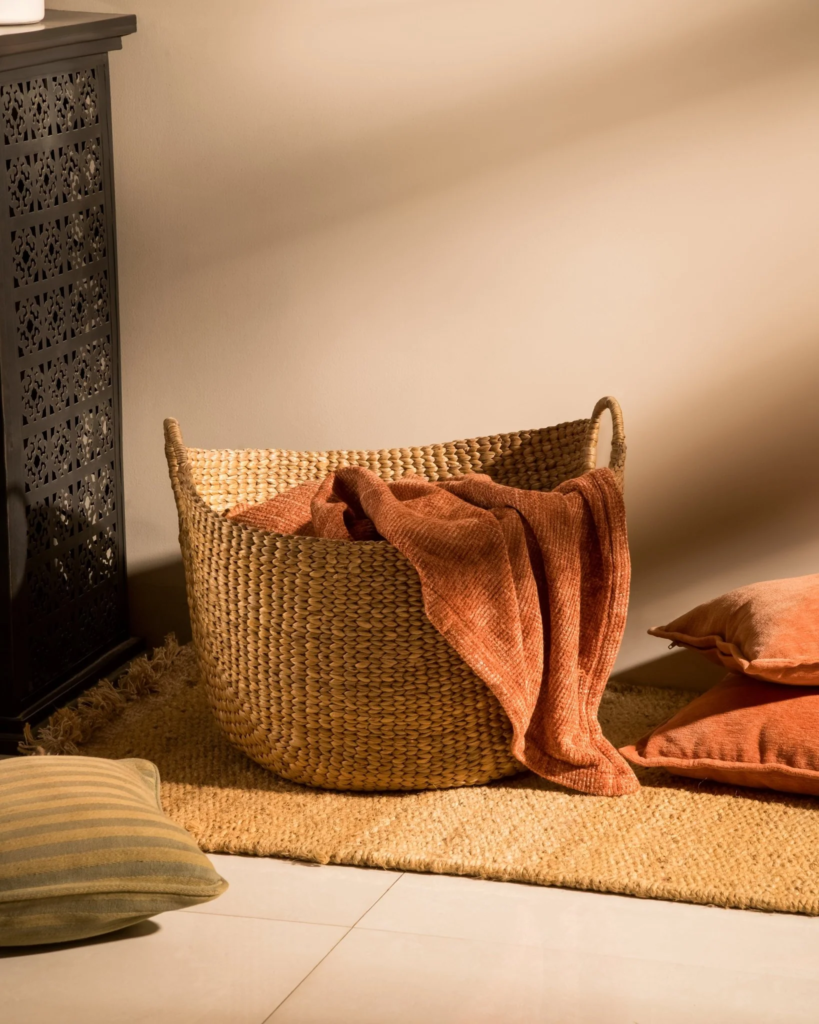
- Hand-woven jute baskets with leather handles
- Bamboo crates paired with linen drawer liners
- Soft “cactus leather” boxes with embroidered labels
- Warm neutral palettes that feel like a cozy boutique store
This isn’t a fad. It’s a philosophical reset.
4. Meet the Sustainable Contenders
Let’s look at the major materials redefining storage in 2026 — what they are, why they’re trending, and how they function in real homes.
🌿 Jute — The Earthy Classic
What it is:
A natural fiber harvested from jute plants and woven into baskets and bins.
Why it’s trending:
- Affordable and renewable
- Biodegradable
- Textured and warm
- Works in boho, minimal, or Scandinavian styles
Perks:
- Tolerant to light use
- Soft edges protect delicate items
- Perfect for closets, toys, blankets, and laundry
Limitations:
- Not water-resistant
- Not ideal for damp areas
But for most spaces — especially bedrooms and living areas — jute feels alive rather than artificial.
🎍 Bamboo — The Modern Classic
What it is:
A fast-growing grass turned into structured bins, crates, and shelving accents.
Why it’s trending:
- Extremely renewable (grows in weeks, not years)
- Strong and durable
- Warm, natural grain
- Complements wood furniture effortlessly
Perks:
- Lasts longer than jute
- Great for heavier items
- Can be combined with linen or cotton liners
Limitations:
- Slightly pricier than plastic
- Needs gentle cleaning
Bamboo brings structure and sophistication to spaces that might otherwise feel cluttered.
🌵 “Cactus Leather” — The New Eco Luxe
What it is:
A plant-based leather alternative made from cactus (often paired with recycled polyester for structure).
Why it’s trending:
- Vegan and cruelty-free
- Softer texture (like leather)
- Holds shape better than woven fibers
- Great for decorative bins and hidden storage
Perks:
- Smooth, tactile aesthetic
- Works in home offices, living rooms, and closets
- Pairs well with brass hardware and wooden shelves
Limitations:
- Pricier than jute
- Not waterproof
- Needs gentle cleaning
For many, cactus leather feels like the design upgrade — stylish without sacrificing sustainability.
5. Why Pinterest Is Embracing These Materials
Pinterest users aren’t just looking for pretty pictures — they’re looking for:
1. Authenticity
Boards are filled with real homes, real people, and real lived-in spaces — not showroom perfection.
Sustainable bins feel real — not sterile and staged.
2. Tactile Aesthetics
Today’s top pins feature:
- textured surfaces
- soft shadows
- warm natural lighting
- layered materials
Plastic looks “flat” in photos. Woven and plant-based materials pop.
3. Eco-Conscious Living
Search terms like:
- eco home storage
- sustainable closet ideas
- natural material storage bins
- earthy pantry organization
have skyrocketed.
People want storage that reflects their values, not just their needs.
4. Holistic Home Design
Today’s interiors aren’t compartmentalized. Storage is part of décor.
Instead of hiding everything behind doors, boards now show storage that contributes to ambience.
A woven basket with fuzzy throws adds texture, warmth, mood, and function — all in one.
6. Functionality vs. Aesthetic — Why It Works
One criticism plastic had for years was:
“It’s functional… but it doesn’t feel like design.”
Woven and plant-based bins:
✔ Look good on shelves
✔ Don’t feel institutional
✔ Work as décor and storage
✔ Create cohesive spaces
But let’s be clear:
This isn’t about sacrificing function for beauty.
These materials are working storage solutions — just better integrated into how we want our homes to feel.
7. How to Use Sustainable Bins in Every Room
Now, let’s get practical. Where do these materials shine?
👕 Closet Organization
Use:
- Large jute baskets for sweaters, scarves, linens
- Bamboo crates for accessories
- Cactus leather boxes for small items like belts, gloves, or hats
The result?
A closet that feels like a boutique — not a storage locker.
🍽️ Kitchen and Pantry
Use:
- Bamboo boxes with removable liners
- Jute bins for snacks and packaged goods
- Cactus leather for recipe cards and utensils
Add simple label tags (wood or kraft) and instantly elevate functionality.
🛋️ Living Room
Use:
- Jumbo jute baskets for throws and magazines
- Cactus leather bins for remotes, controllers, gadgets
- Bamboo crates as shelf accents
This turns storage into styling, not hiding.
🧼 Bathroom Storage
Use:
- Bamboo shelves
- Jute baskets for towels and washcloths
- Cactus leather bins for makeup and grooming tools
Just keep them away from moisture and steam.
8. Styling Tips for Sustainable Storage
If you’re thinking, “This sounds beautiful but how do I pull it off without my shelves looking messy?” — here are some pro tips.
🎯 1. Limit Your Palette
Stick to:
- Natural hues (beige, cream, sand)
- Wood tones
- Soft greens and neutrals
This creates calm, not chaos.
🧺 2. Vary Textures Wisely
Contrast:
- Smooth cactus leather
- Soft woven jute
- Structured bamboo
But don’t mix too many textures in one cluster.
📏 3. Play with Heights
Tall baskets next to short boxes
Crates stacked next to open shelves
Plants alongside bins
This creates visual rhythm — a key principle in modern interiors.
🪴 4. Add Greenery
Even one small plant next to a woven basket can make a storage vignette feel intentional — not utilitarian.
9. Addressing the Cons
No material is perfect. Here’s how to mitigate downsides.
Problem: Jute Likes Dry Air
Fix: Use liner bags inside bins, especially for small or dusty items.
Problem: Bamboo Can Warp
Fix: Avoid humidity. Keep away from bathrooms or outdoor spaces.
Problem: Cactus Leather Needs Careful Cleaning
Fix: Wipe with a soft, damp cloth — avoid harsh chemicals.
10. Sustainability Isn’t Just Materials — It’s Longevity
Here’s the big reason this trend matters:
Plastic bins are cheap — but they don’t last.
Natural materials may cost more upfront — but they:
✔ Age beautifully
✔ Don’t turn brittle
✔ Can be repaired
✔ Often biodegrade responsibly
That’s the real sustainability win.
It’s not just about what it’s made of.
It’s about how long it lasts.
11. The Emotional Impact of Sustainable Storage
Here’s where it gets interesting.
People don’t just use storage differently now — they feel about it differently.
A woven bin says:
- “This belongs here.”
- “This space is intentional.”
- “I care about where my things live.”
A plastic bin says:
- “I need function.”
- “This is temporary.”
- “I want order.”
Both work — but one feels meaningful.
And Pinterest is a mirror of collective taste — not just decoration.
People want spaces that feel good, not just organized.
12. Looking Ahead: What Comes After 2026?
Trends evolve — but the direction is clear:
💛 More biomaterials
🪶 More natural textures
🌱 More ethical manufacturing
🏡 More integrated living spaces
We’re moving toward spaces that:
- Store beautifully
- Age gracefully
- Support wellbeing
- Reflect values
Plastic bins aren’t disappearing — but they’re no longer the first choice.
And that’s not a Pinterest fad.
That’s a cultural shift.
Final Thoughts
If you’re thinking about organizing your home this year, here’s how to approach it:
✅ Start with materials you love — not just what’s convenient.
✅ Choose storage that enhances your space.
✅ Think long-term — not short-term.
✅ Prioritize texture, warmth, and longevity.
Jute, bamboo, and cactus leather aren’t just trending — they’re here to stay.
They’re the future of storage that feels as good as it functions.
And when your spaces look organized and warm, that’s not just design — that’s home.