
In any well-maintained garden, shrubs play a vital role. They offer year-round structure, seasonal colour, and often act as privacy screens or wildlife havens. However, left unattended, even the most beautiful shrubs can become unruly, woody, or fail to flower as they once did. That’s where pruning and cutting back come in. These two techniques are often mentioned side by side, and while they do share some common ground, they are far from the same. Knowing when and how to apply each method is a skill that every gardener, whether amateur or experienced, should master.
At a glance, pruning and cutting back may seem like two ways of saying the same thing: removing parts of a plant. But in practice, they serve very different purposes and are used in different situations, depending on the type of shrub, its age, health, and time of year. Getting to grips with the difference between these methods not only makes your garden look better—it helps your plants grow stronger and live longer.
Let’s start with pruning. This is the more refined of the two techniques. Pruning involves the careful, deliberate removal of specific branches or stems. Typically, these are parts of the plant that are dead, diseased, or damaged, though pruning can also be done to remove crossing branches that rub together, weaken structure, or inhibit healthy airflow. Gardeners often prune to encourage better flowering or to maintain the natural shape of the plant.
Pruning is a gentle process and is often carried out using smaller tools like hand secateurs or pruning shears. The cuts are made close to nodes (where leaves or branches grow from the main stem), always at an angle, and with precision. The purpose is not to reduce the size of the shrub dramatically, but rather to refine it—almost like giving the plant a tidy haircut or a bit of polish.
One of the most important reasons to prune is to stimulate healthy growth. When old or damaged wood is removed, the plant can redirect energy into new shoots and buds. This is especially important for flowering shrubs like roses, which bloom best on fresh, vigorous growth. Pruning also allows more light to reach the interior of the plant and improves airflow, both of which reduce the risk of fungal diseases and pest infestations.
Timing is critical. Most pruning is done either after flowering or in early spring, depending on the plant. For example, shrubs that flower on old wood (like forsythia or lilac) should be pruned immediately after blooming, while those that flower on new growth (like buddleia) benefit from pruning in late winter or early spring.
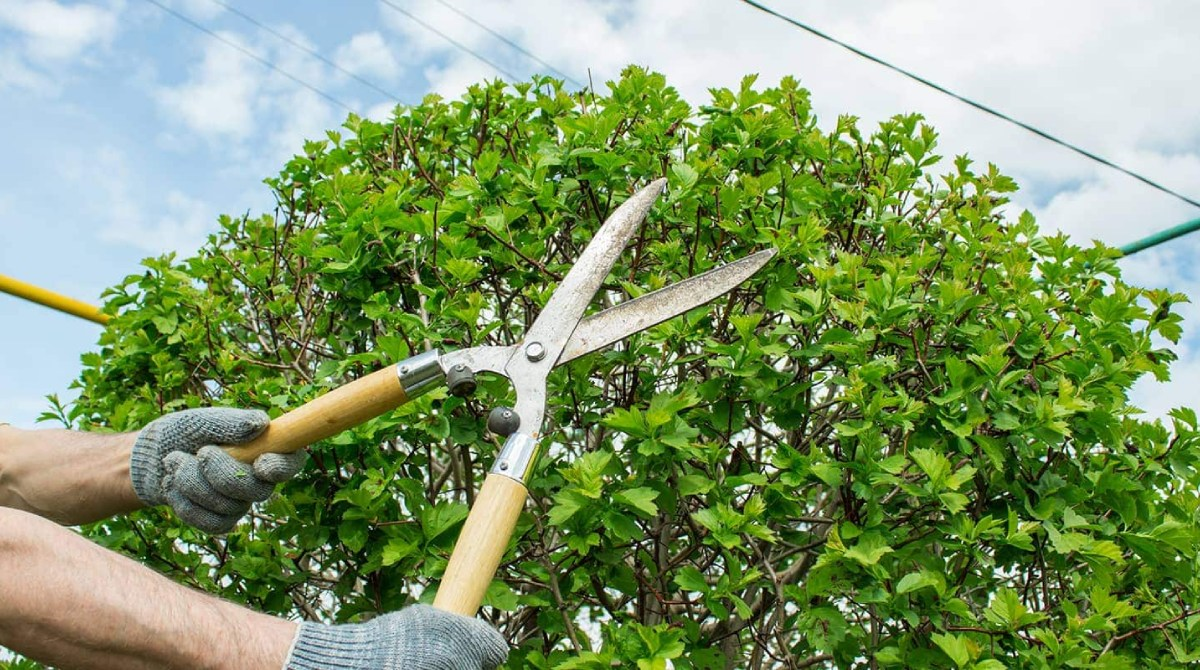
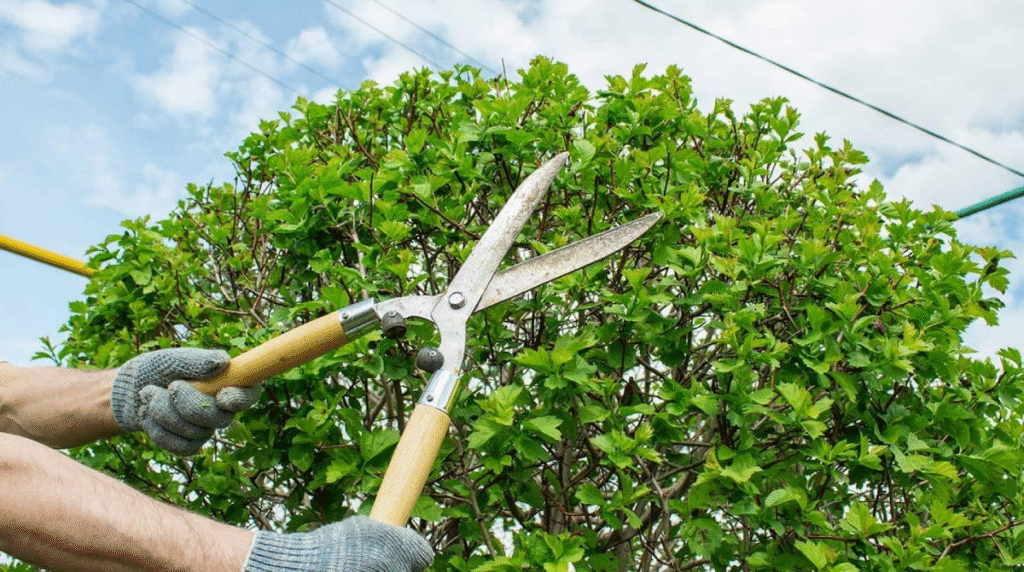
Cutting back, by contrast, is a more assertive method. This is used when a plant has become overgrown, leggy, or too large for its space. Unlike pruning, which is all about selective refinement, cutting back typically involves removing a substantial portion of the plant—sometimes up to a third or more of its entire volume. This might be necessary for shrubs that have become woody at the base or no longer flower reliably.
When cutting back, the aim is often to rejuvenate the shrub. By removing much of the older wood, you stimulate the plant to produce new growth from lower down, often resulting in a bushier and healthier appearance over time. It’s not unusual to use larger tools for this job—loppers, hedge trimmers, or even saws for very thick stems. This is not about detail work; it’s about structural change.
Cutting back is usually best done when the plant is dormant, typically in late winter or very early spring. This reduces the stress on the plant and gives it the entire growing season ahead to recover and thrive. It’s important not to cut back during or just before periods of frost, as new shoots can be vulnerable to cold damage. Likewise, mid-summer is usually too harsh a time, as the heat can place extra strain on freshly trimmed plants.
To illustrate the contrast between pruning and cutting back, consider a common shrub like lavender. Light pruning after flowering helps maintain its shape and prevent it from becoming too woody. But if lavender is left untrimmed for a few seasons, it may require a much more substantial cut back to restore its compact form—though care must be taken not to cut into old wood, as this can result in poor regrowth. In this way, pruning is a routine task, while cutting back is a remedial one.
Similarly, roses benefit from both techniques. Regular pruning encourages better blooms and air circulation, especially in bush roses. Meanwhile, climbing or rambling roses may need periodic cutting back to keep them from becoming tangled and wild. The trick lies in recognising which approach a plant needs—and when.
The tools you use also matter. Clean, sharp blades are essential for both pruning and cutting back, as ragged cuts can make plants vulnerable to disease. Disinfecting your tools between uses is a good habit to prevent the spread of fungal spores or bacterial infections. Gardeners who are unsure of which tools to choose can explore options from reputable suppliers, such as Garden Machinery Direct, which offer a wide range of cutting equipment suitable for everything from delicate shaping to heavy-duty reduction.
Another distinction between pruning and cutting back is how often each is done. Pruning is usually part of regular maintenance—a seasonal task that becomes part of the rhythm of your gardening year. Cutting back is more occasional, called upon when a shrub has been neglected, grown out of control, or needs a fresh start. That said, both techniques can overlap. A plant that has been cut back may still benefit from light pruning as it recovers and begins to flourish again.
While both methods can significantly improve the appearance and performance of your garden, it’s worth noting that not all shrubs respond well to hard cutting back. Some evergreens, for example, may not regrow from old wood, so cutting them too severely can cause permanent damage. It’s always wise to check the specific needs of each plant before picking up the shears.
Equally important is respecting the natural form of the shrub. Over-pruning or excessive cutting back can result in an unnatural shape or stressed plant. Aim to work with the plant’s growth habit, not against it. The goal is a healthy, attractive shrub that sits comfortably in its space—not something forced into a boxy shape or reduced to a stump.
In summary, pruning and cutting back are both essential techniques in any gardener’s toolkit. Pruning is the art of refinement—removing the right pieces at the right time to enhance the plant’s natural beauty and health. Cutting back is the bold reset—a firm hand taken when structure, size, or vitality need a major intervention. Understanding the purpose, timing, and technique of each will help ensure your shrubs remain vibrant, well-shaped, and full of life throughout the seasons.