
How Prefabricated Construction Is Transforming Healthcare Infrastructure
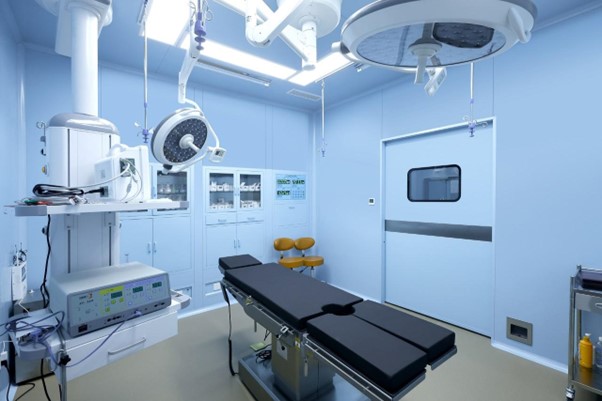
The global healthcare industry is experiencing rapid transformation driven by population growth, urbanization, technological advancement, and increasing demand for high-quality medical facilities. Hospitals and healthcare providers are now under pressure to build modern medical infrastructure faster, more efficiently, and with better infection control standards.
Traditional construction methods often struggle to meet these growing demands due to long project timelines, labor shortages, rising costs, and operational disruptions. As a result, prefabricated construction has emerged as a powerful solution that is transforming healthcare infrastructure worldwide.
From modular operating theatres and cleanrooms to ICU units and entire hospital buildings, prefabrication is changing how healthcare facilities are designed, built, and upgraded.
What Is Prefabricated Construction?
Prefabricated construction is a construction approach where building components are fabricated in advance within a factory environment and later assembled on-site.
Unlike traditional on-site construction, prefabricated systems are produced using standardized engineering processes that improve quality, efficiency, and installation speed.
In healthcare infrastructure, prefabricated construction is widely used for:
- Modular operating theatres
- ICU rooms
- Cleanrooms
- Isolation wards
- Laboratory facilities
- Emergency medical units
- Hospital extensions
This approach allows healthcare facilities to accelerate construction while maintaining strict hygiene and engineering standards.
Faster Healthcare Facility Construction
One of the biggest advantages of prefabricated construction is speed.
Traditional hospital construction projects can take months or even years to complete due to weather delays, on-site labor challenges, and complex coordination between contractors.
Prefabricated healthcare systems significantly reduce construction timelines because:
- Components are manufactured in advance
- On-site assembly is faster
- Less manual construction work is required
- Installation processes are more streamlined
For hospitals, faster construction means quicker operational readiness and reduced disruption to medical services.
This is particularly important during healthcare emergencies, rapid hospital expansion projects, and surgical facility upgrades.
Improved Infection Control Standards
Healthcare environments require extremely high hygiene standards.
Prefabricated healthcare systems are designed specifically to support infection prevention and sterile operation.
Modern modular healthcare solutions use:
- Antibacterial wall panels
- Seamless surfaces
- Controlled airflow systems
- HEPA filtration
- Airtight room construction
Factory-controlled manufacturing also reduces contamination risks compared to traditional on-site construction methods.
As infection prevention becomes a growing priority worldwide, prefabricated healthcare infrastructure is increasingly preferred for modern surgical and cleanroom environments.
Greater Construction Quality and Precision
Prefabricated systems are manufactured under controlled factory conditions using advanced engineering and quality control processes.
This offers several advantages over conventional construction, including:
- Higher manufacturing precision
- Consistent product quality
- Better material control
- Reduced construction defects
- Improved structural integration
For healthcare facilities, this level of precision is essential because operating rooms and cleanrooms require highly controlled environments to maintain patient safety and surgical efficiency.
Reduced Hospital Downtime During Renovation
Hospital renovation projects are often challenging because medical facilities must continue operating during construction.
Traditional renovation methods may create:
- Dust contamination
- Noise disruption
- Extended downtime
- Safety risks
Prefabricated modular systems help minimize these issues because they require less on-site construction work.
Modular operating theatres and prefabricated wall systems can often be installed much faster and cleaner than traditional building methods, allowing hospitals to maintain essential medical services during renovation projects.
Flexible and Scalable Healthcare Infrastructure
Healthcare demands continue to evolve rapidly.
Hospitals today require infrastructure that can adapt to:
- New medical technologies
- Increased patient capacity
- Specialized surgical procedures
- Future expansion plans
Prefabricated construction provides greater flexibility because modular systems can be:
- Customized
- Expanded
- Reconfigured
- Upgraded more easily
This adaptability makes modular healthcare construction ideal for long-term infrastructure planning.
Sustainability and Energy Efficiency
Sustainability has become an important focus in modern healthcare construction.
Prefabricated systems help improve environmental performance by reducing:
- Material waste
- Construction site pollution
- Energy consumption
- Transportation inefficiencies
Modern modular healthcare facilities also integrate energy-efficient HVAC systems, smart building technologies, and sustainable construction materials.
As governments and healthcare organizations adopt greener building standards, prefabricated healthcare construction is becoming increasingly attractive.
Applications of Prefabricated Healthcare Construction
Prefabricated construction is now widely used across many healthcare sectors, including:
- Modular operating theatres
- ICU and emergency rooms
- Isolation wards
- Diagnostic laboratories
- Mobile healthcare units
- Specialty clinics
- Temporary medical facilities
Many developing countries and rapidly growing urban healthcare systems are also adopting prefabricated technologies to accelerate hospital infrastructure development.
Future of Healthcare Infrastructure
The future of healthcare construction is moving toward smarter, faster, and more flexible building solutions.
Emerging technologies such as:
- Smart operating theatres
- BIM-based engineering
- AI-assisted hospital management
- Digital building integration
- Advanced cleanroom technologies
are increasingly integrated into prefabricated healthcare systems.
As healthcare infrastructure demands continue to rise globally, prefabricated construction is expected to play a major role in creating efficient, sustainable, and patient-focused medical environments.