Your roof quietly protects your home every single day. It shields your family from rain, wind, snow, heat, and debris while helping maintain the structure and comfort of your home. Yet despite its importance, many homeowners rarely think about their roof until something goes wrong.
A small leak, missing shingles, or storm damage can quickly turn into a costly repair if ignored. Understanding how roofing systems work, recognizing early warning signs, and performing basic maintenance can help homeowners extend the lifespan of their roof and avoid expensive problems.
In this guide, we’ll explore everything homeowners should know about roofing—from materials and maintenance to repairs and replacement decisions. Whether your roof is brand new or decades old, these insights can help you protect one of the most important parts of your home.
Why Your Roof Is One of the Most Important Parts of Your Home
Your roof does far more than simply cover your house. It plays a crucial role in protecting the entire structure and maintaining indoor comfort.
A properly installed and maintained roof helps:
- Protect your home from rain, snow, and storms
- Prevent moisture damage to walls and ceilings
- Improve energy efficiency by regulating temperature
- Support proper attic ventilation
- Increase your property’s value and curb appeal
When roofs are installed correctly and maintained regularly, they can last 20 to 50 years depending on the material used. However, neglecting small issues can shorten that lifespan dramatically.
Understanding How Roofing Systems Work
Many homeowners think a roof is simply a layer of shingles. In reality, a roofing system is made up of several components that work together to keep your home protected.
Roof Deck
The roof deck is the foundation of the roofing system. It’s typically made from plywood or oriented strand board (OSB) and supports the entire roof structure.
Underlayment
Underlayment is a protective barrier installed between the roof deck and the shingles. It helps prevent water from penetrating the roof if shingles become damaged.
Shingles or Roofing Material
Shingles are the outermost layer and serve as the first defense against weather. They protect the roof from rain, UV rays, and wind.
Flashing
Flashing consists of metal strips installed around roof features like chimneys, vents, skylights, and valleys. Its purpose is to prevent water from entering vulnerable areas.
Ventilation System
Proper roof ventilation allows air to circulate through the attic, preventing moisture buildup and reducing heat accumulation.
When all these elements work together, they create a durable system designed to protect your home for decades.
The Most Common Roofing Materials for Homes
Different roofing materials offer unique benefits in terms of durability, appearance, and cost. Choosing the right one depends on your budget, climate, and aesthetic preferences.
Asphalt Shingles
Asphalt shingles are the most popular roofing material for residential homes.
Advantages include:
- Affordable installation
- Wide range of colors and styles
- Easy repairs and replacement
- Lifespan of 20–30 years
Architectural shingles, a thicker version of asphalt shingles, offer improved durability and a more dimensional appearance.
Metal Roofing
Metal roofs have grown in popularity because of their durability and energy efficiency.
Benefits include:
- Lifespan of 40–70 years
- Excellent wind and fire resistance
- Reflects sunlight, reducing cooling costs
- Requires minimal maintenance
Although metal roofing costs more upfront, it often lasts much longer than traditional materials.
Flat Roofing Systems
Flat roofs are commonly found on modern homes and commercial buildings.
Common flat roofing materials include:
- EPDM rubber roofing
- TPO membranes
- Modified bitumen
These materials are designed to create waterproof surfaces on low-slope roofs.
Warning Signs Your Roof May Need Attention
Roof problems often start small and grow worse over time. Recognizing early signs of damage can help homeowners avoid expensive repairs.
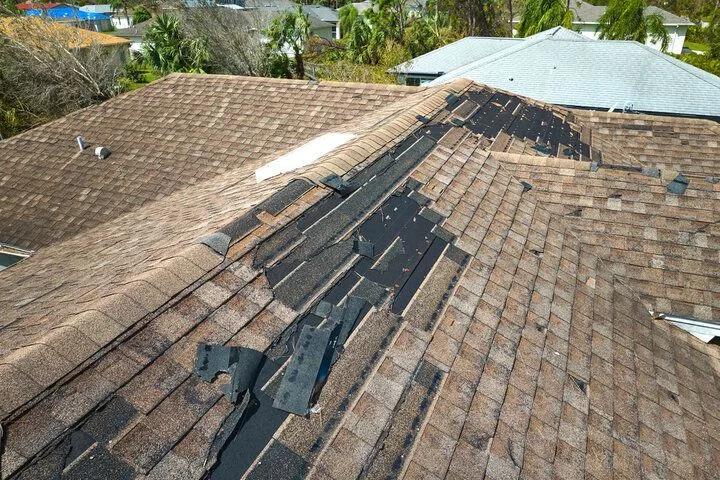
Missing or Loose Shingles
Strong winds can lift or remove shingles, leaving your roof vulnerable to leaks.
Water Stains on Ceilings
Yellow or brown stains on ceilings or walls may indicate a roof leak.
Granules in Gutters
If you notice sand-like granules in your gutters, your shingles may be deteriorating.
Curled or Buckled Shingles
Shingles that curl or buckle often signal aging materials or poor ventilation.
Sagging Rooflines
A sagging section of roof can indicate structural damage or trapped moisture.
If you notice any of these signs, it’s best to have your roof inspected as soon as possible.
Roof Repair vs Roof Replacement
Not every roofing problem requires a full replacement. In many cases, repairs can restore the roof’s functionality.
When Repairs Are Enough
Repairs may be sufficient if:
- Only a few shingles are damaged
- A small leak is present
- Flashing needs replacement
- Storm damage is limited to a small area
When Replacement May Be Necessary
A full replacement may be recommended when:
- The roof is more than 20–25 years old
- Shingles are severely worn or missing across large areas
- Multiple leaks are present
- The roof deck has structural damage
A professional inspection can help determine the most practical solution.
The Roof Replacement Process Explained
Replacing a roof may sound overwhelming, but understanding the process can make it much easier for homeowners.
Step 1: Inspection and Measurement
Contractors evaluate the existing roof and measure the structure.
Step 2: Material Selection
Homeowners choose roofing materials based on durability, appearance, and budget.
Step 3: Removing Old Roofing
Existing shingles and underlayment are removed.
Step 4: Inspecting the Roof Deck
The roof deck is inspected for damage and replaced if necessary.
Step 5: Installing Protective Layers
Underlayment and leak barriers are installed to protect against moisture.
Step 6: Installing Shingles or Roofing Material
The new roofing system is installed according to manufacturer specifications.
Step 7: Ventilation and Flashing Installation
Proper ventilation systems and flashing are installed to prevent leaks and moisture buildup.
Step 8: Final Inspection and Cleanup
The project site is cleaned and the roof is inspected for quality.
Most residential roof replacements can be completed within one or two days depending on the size and complexity of the roof.
Essential Roof Maintenance Tips for Homeowners
Regular maintenance can significantly extend the life of your roof.
Clean Your Gutters
Clogged gutters can cause water to back up onto the roof, leading to leaks.
Trim Overhanging Branches
Tree branches can scrape shingles and drop debris that traps moisture.
Inspect Your Roof After Storms
Look for missing shingles or debris after strong winds or storms.
Schedule Professional Inspections
A professional inspection every few years can help detect hidden issues.
Why Roof Ventilation Matters
Roof ventilation is one of the most overlooked factors in roof performance.
Without proper ventilation:
- Heat can build up in the attic
- Moisture can accumulate and cause mold
- Shingles may deteriorate faster
- Energy bills may increase
A balanced ventilation system allows hot air to escape while bringing fresh air into the attic space.
Common Roofing Mistakes Homeowners Should Avoid
Many roofing issues occur because of simple mistakes.
Ignoring Small Problems
Even small leaks can lead to major structural damage if ignored.
Using High-Pressure Washing
Pressure washing can strip granules from shingles and damage roofing materials.
Walking on the Roof
Walking on shingles can cause cracks or loosen them.
Hiring Unqualified Contractors
Choosing experienced roofing professionals is essential for quality installation and long-term durability.
Final Thoughts
Your roof plays a critical role in protecting your home and maintaining its value. By understanding how roofing systems work, recognizing early signs of damage, and performing routine maintenance, homeowners can extend the lifespan of their roofs and avoid costly repairs.
If you ever need professional guidance, roof inspections, or roofing services, it’s always wise to consult experienced contractors who specialize in roofing systems. Companies such as M&J Roofing LLC provide professional roofing services and inspections for homeowners who want expert advice on maintaining or replacing their roof.
Taking care of your roof today can save you significant time, stress, and money in the future—making it one of the smartest home maintenance decisions you can make.